February

Cinematic Resonances and Solidarity between Latin America and Palestine

For many years, cinema has played an important role in the relations between Latin America and Palestine.

Over four weeks, this program - curated by Geraldo de Campos and Christian Mouroux for the LatinArab International Film Festival - highlights some pieces within the deep connections between Latin American cinema and the Palestinian struggle, questioning how filmmaking might become a practice of liberation and global solidarity . These contemporary documentaries refuse, in different cinematic aesthetics, the erasure of Palestinian existence.

Before the existence of decolonial or post-colonial theories, and beyond the concepts of "Third World" and "Global South", people were already moving between Palestine, Chile, Egypt, Argentina, Lebanon , Brazil, in the beginning of the 20th century and making films. The production and mobility of images was relevant to pave the cultural entanglements related to the history of migration between the regions. In the end of 1960’s Palestine became a vital threshold in this history.

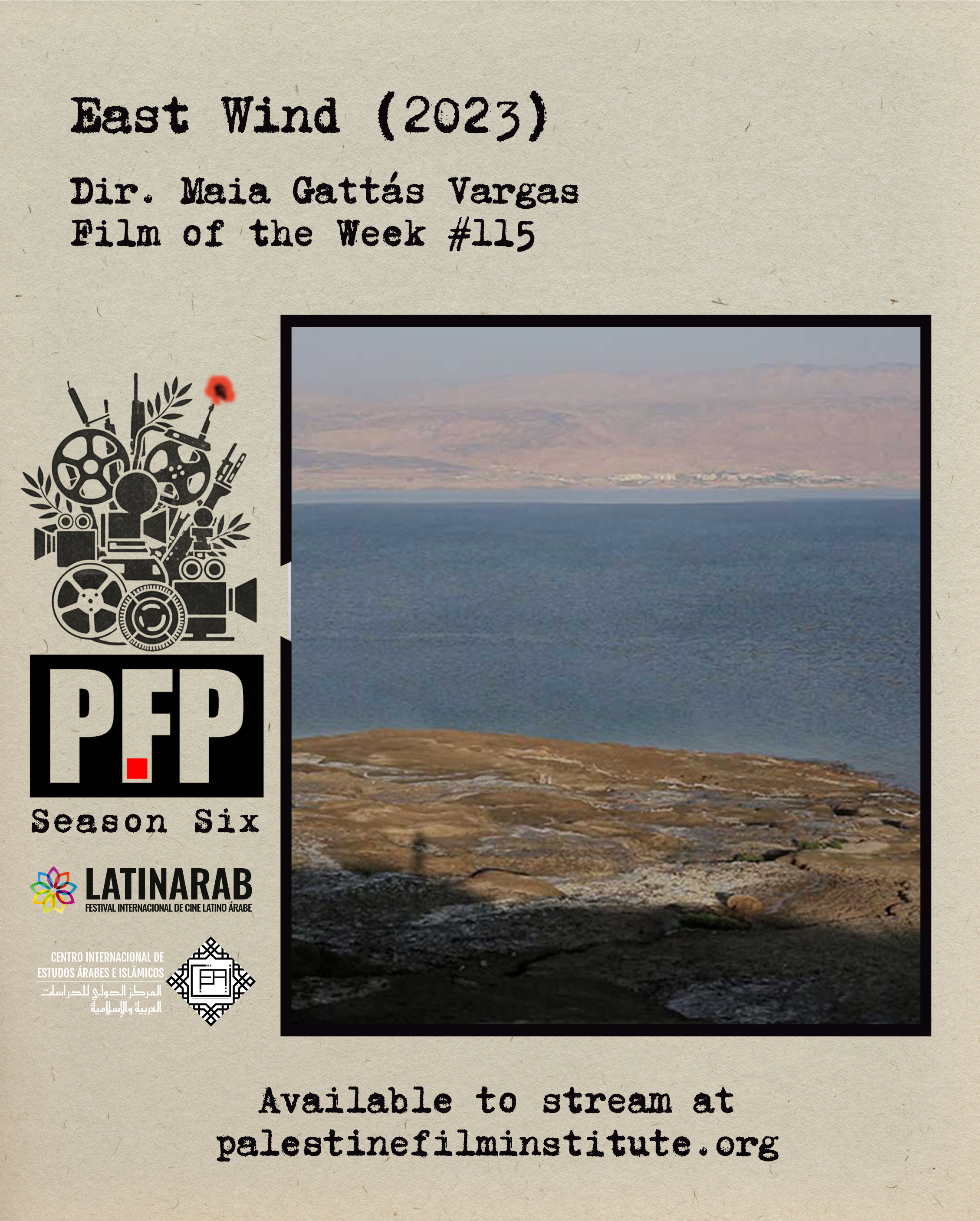
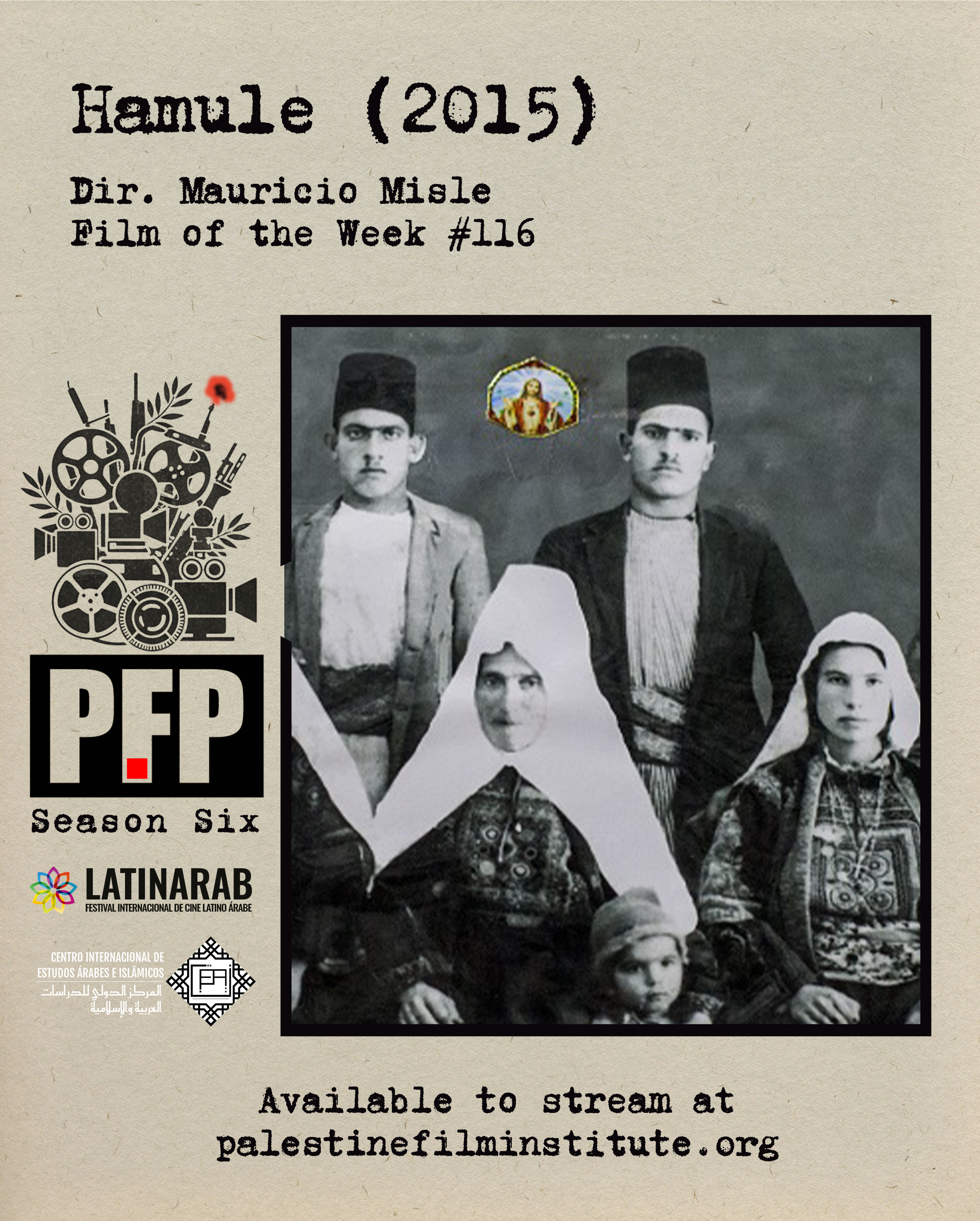
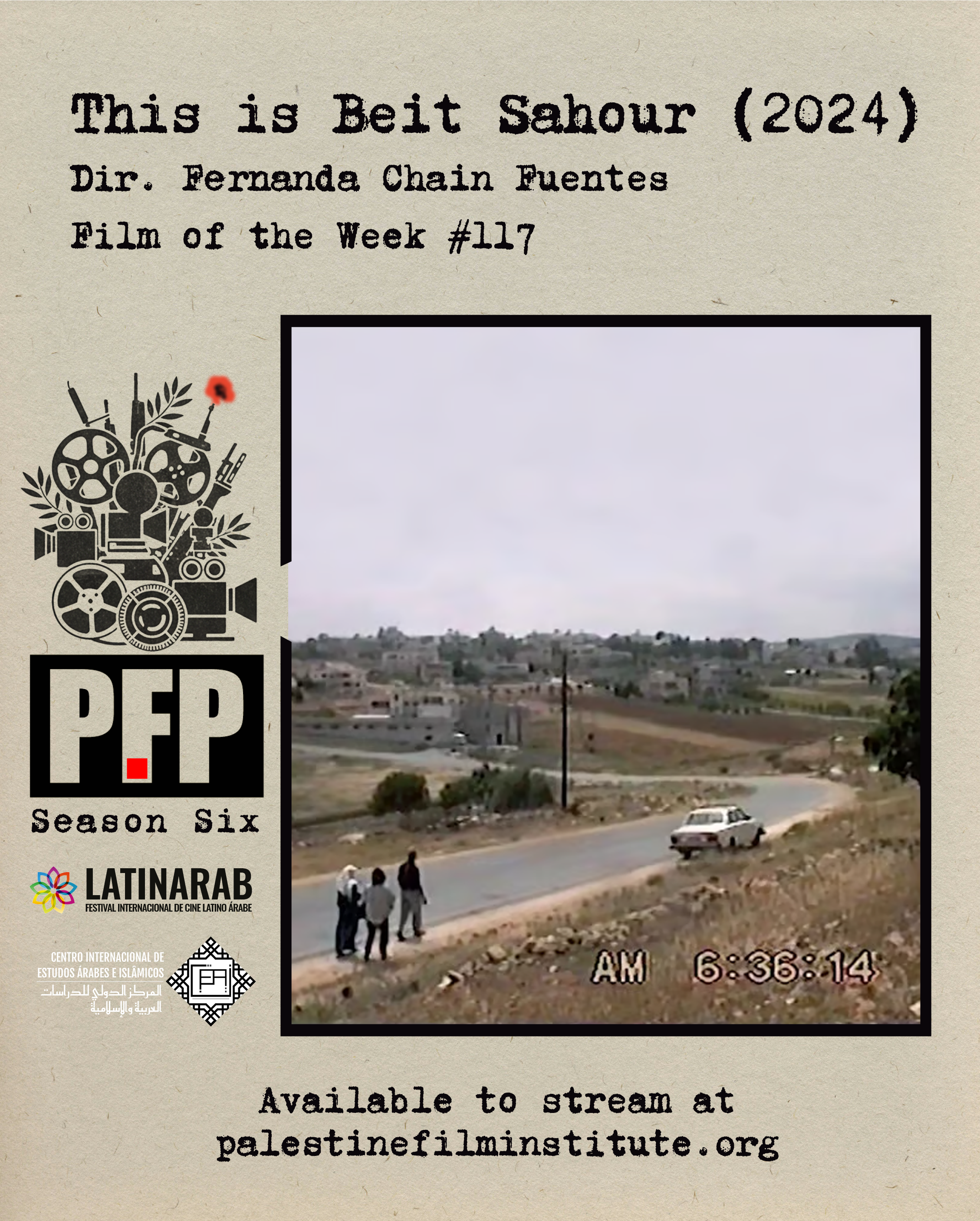
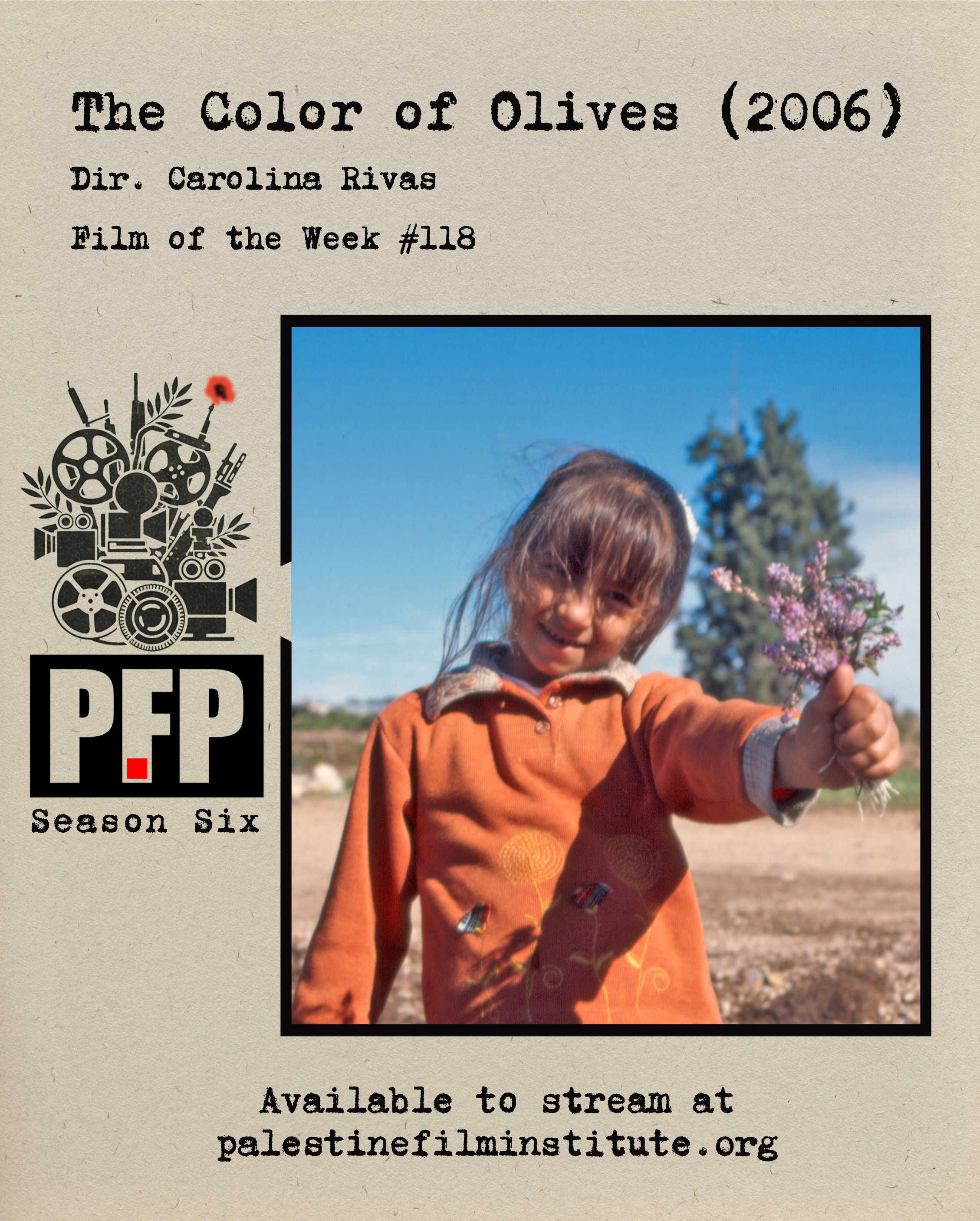
The films "This is Beit Sahour" (Fernanda Chain), "East Wind" (Maia Gattas), "Hamule, the Memory of Exile" (Mauricio Misle), and "The Color of Olives" (Carolina Rivas) compose a recent cinematic dialogue that connects Palestinian displacement, exile, and struggle with Latin American experiences of dictatorship, disappearance, and uprootedness.

From Buenos Aires to the West Bank wall, passing through Chile and Mexico, the selected films document the political force of memory reconfiguring geographies as individual grief mirrors collective dispossession. And above all, how cinema and poetry are still able to whisper the sound of time as part of a global call for solidarity and action.


LatinArab International Film Festival (organized by Cine Fértil, Argentina, and CEAI-UFS, Brazil) is the only platform connecting Latin America with Arab countries through cinema, promoting South-South cooperation and cultural decolonization. Since 2013, LatinArab has been the principal platform for Palestinian cinema in Latin America, recognized with the UNESCO Sharjah Prize for Arab Culture (2018). Palestinian solidarity has been central to our mission through our Palestine Panorama section and extensive programming that connects Palestinian resistance with Latin American liberation struggles.

Geraldo de Campos is Professor at the Department of International Relations at the Federal University of Sergipe (Brazil), where he also directs the International Center for Arab and Islamic Studies (CEAI). He is the Scientific Coordinator of UNESCO’s “Arab Latinos!” program and a member of the Jury of the UNESCO Sharjah Prize for Arab Culture since 2023. PHD in Political Philosophy (USP) with a thesis about Time in contemporary Palestinian cinema. Curator of the Arab Film Festival in Brazil between 2013 and 2018, and currently co-director of the LatinArab International Film Festival.


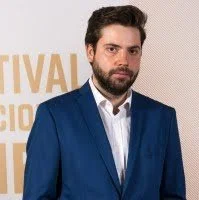
Christian Mouroux is a producer, filmmaker, curator, and cultural manager. He is co-founder and president of Cine Fértil, the cultural association behind the LatinArab International Film Festival in Buenos Aires, the first Arab film festival in Latin America, and the LatinArab Co-Production Forum. In 2018, Cine Fértil received the UNESCO–Sharjah Prize for Arab Culture.

He has been a guest lecturer on Arab cinema at the Universidad Nacional de Tres de Febrero since 2014 and serves as chair of the Arts and Culture Commission of UNESCO’s “Arab Latinos!” initiative. As a filmmaker and producer, he co-directed Broken Mirrors (2020) and produced the documentary series ARA San Juan: The Submarine That Disappeared (Netflix, 2024) and The 80s: Divine Treasure (Canal Encuentro, 2023).