• The Institute
    • About
    • Industry Protocol in Times of Genocide
    • PFP Films
    • Unprovoked Narratives
    • Provoked Narratives
    • Palestine Film Directory
    • Contact
    • Donate
    • Store
  • Palestine Film Fund
    • Grantees
    • News
    • About PFF
    • Guidelines
    • Eligibility
    • Application
    • FAQ
  • Palestine Film Platform
    • Film of the Week
    • About Season 6
    • April
    • March
    • February
    • January
  • Palestine Film Hub
    • Open Call
    • CPH:DOX 2026
    • Berlinale 2026
    • Berlinale 2024
    • Sheffield 2025
    • Durban 2025
    • Durban 2024
    • Sheffield 2024
    • Sheffield 2023
    • TIFF 2024
  • The Cafe
    • Cinematic Dialogs
  • Cannes
    • Cannes 2025
    • Cannes 2024
    • Cannes 2022
    • Cannes 2021
    • Cannes 2020
  • IDFA
    • IDFA 2025
    • IDFA 2024
    • IDFA 2023
    • IDFA 2022
    • IDFA 2021
  • المؤسسة
    • اختيارات المنصة
    • إتصل بنا
    • عن المؤسسة
    • سرديات التمرد
  • صندوق الفيلم الفلسطيني
    • المستفيدين/ات
    • أخبار
    • حول صندوق الفيلم الفلسطيني
    • إرشادات للمتقدمين
    • معايير الأهلية
    • عملية التقديم
    • الأسئلة المتكررة
    • تقدم
  • منصة الفيلم الفلسطيني
    • فيلم الأسبوع
    • الموسم السادس
    • نيسان
    • مارس
    • فبراير
    • يناير
  • ⁨ملتقى الفيلم الفلسطيني
    • دعوة مفتوحة
    • مهرجان برلين السينمائي الدولي ٢٠٢٦
    • بروتوكول قطاع صناعة الأفلام في زمن الإبادة
    • مهرجان كان ٢٠٢١
  • القهوة
    • نقاشات سينمائية
  • Menu

Palestine Film Institute

  • The Institute
    • About
    • Industry Protocol in Times of Genocide
    • PFP Films
    • Unprovoked Narratives
    • Provoked Narratives
    • Palestine Film Directory
    • Contact
    • Donate
    • Store
  • Palestine Film Fund
    • Grantees
    • News
    • About PFF
    • Guidelines
    • Eligibility
    • Application
    • FAQ
  • Palestine Film Platform
    • Film of the Week
    • About Season 6
    • April
    • March
    • February
    • January
  • Palestine Film Hub
    • Open Call
    • CPH:DOX 2026
    • Berlinale 2026
    • Berlinale 2024
    • Sheffield 2025
    • Durban 2025
    • Durban 2024
    • Sheffield 2024
    • Sheffield 2023
    • TIFF 2024
  • The Cafe
    • Cinematic Dialogs
  • Cannes
    • Cannes 2025
    • Cannes 2024
    • Cannes 2022
    • Cannes 2021
    • Cannes 2020
  • IDFA
    • IDFA 2025
    • IDFA 2024
    • IDFA 2023
    • IDFA 2022
    • IDFA 2021
  • المؤسسة
    • اختيارات المنصة
    • إتصل بنا
    • عن المؤسسة
    • سرديات التمرد
  • صندوق الفيلم الفلسطيني
    • المستفيدين/ات
    • أخبار
    • حول صندوق الفيلم الفلسطيني
    • إرشادات للمتقدمين
    • معايير الأهلية
    • عملية التقديم
    • الأسئلة المتكررة
    • تقدم
  • منصة الفيلم الفلسطيني
    • فيلم الأسبوع
    • الموسم السادس
    • نيسان
    • مارس
    • فبراير
    • يناير
  • ⁨ملتقى الفيلم الفلسطيني
    • دعوة مفتوحة
    • مهرجان برلين السينمائي الدولي ٢٠٢٦
    • بروتوكول قطاع صناعة الأفلام في زمن الإبادة
    • مهرجان كان ٢٠٢١
  • القهوة
    • نقاشات سينمائية

Film of the Week #112

June 18th - 25th 2025
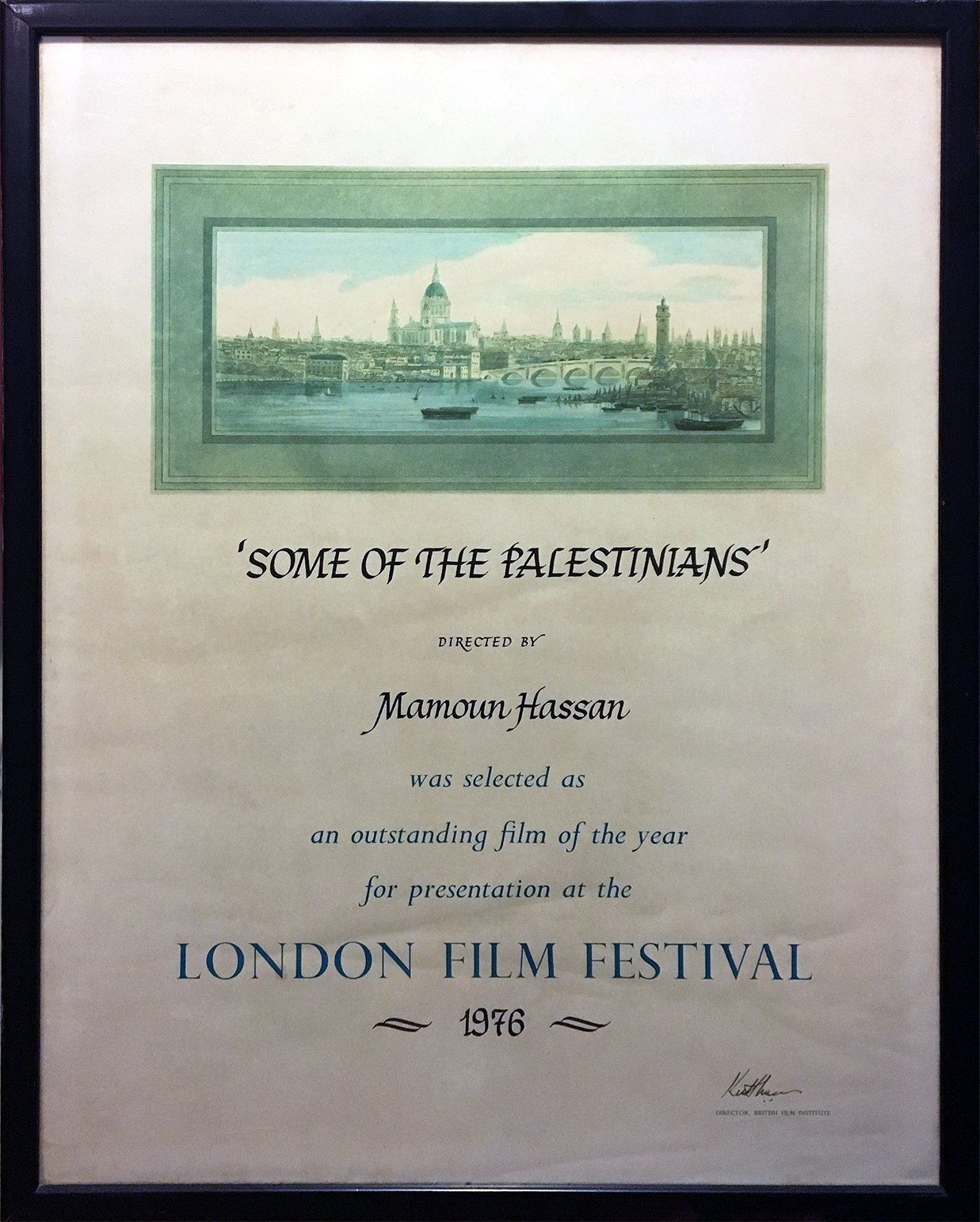
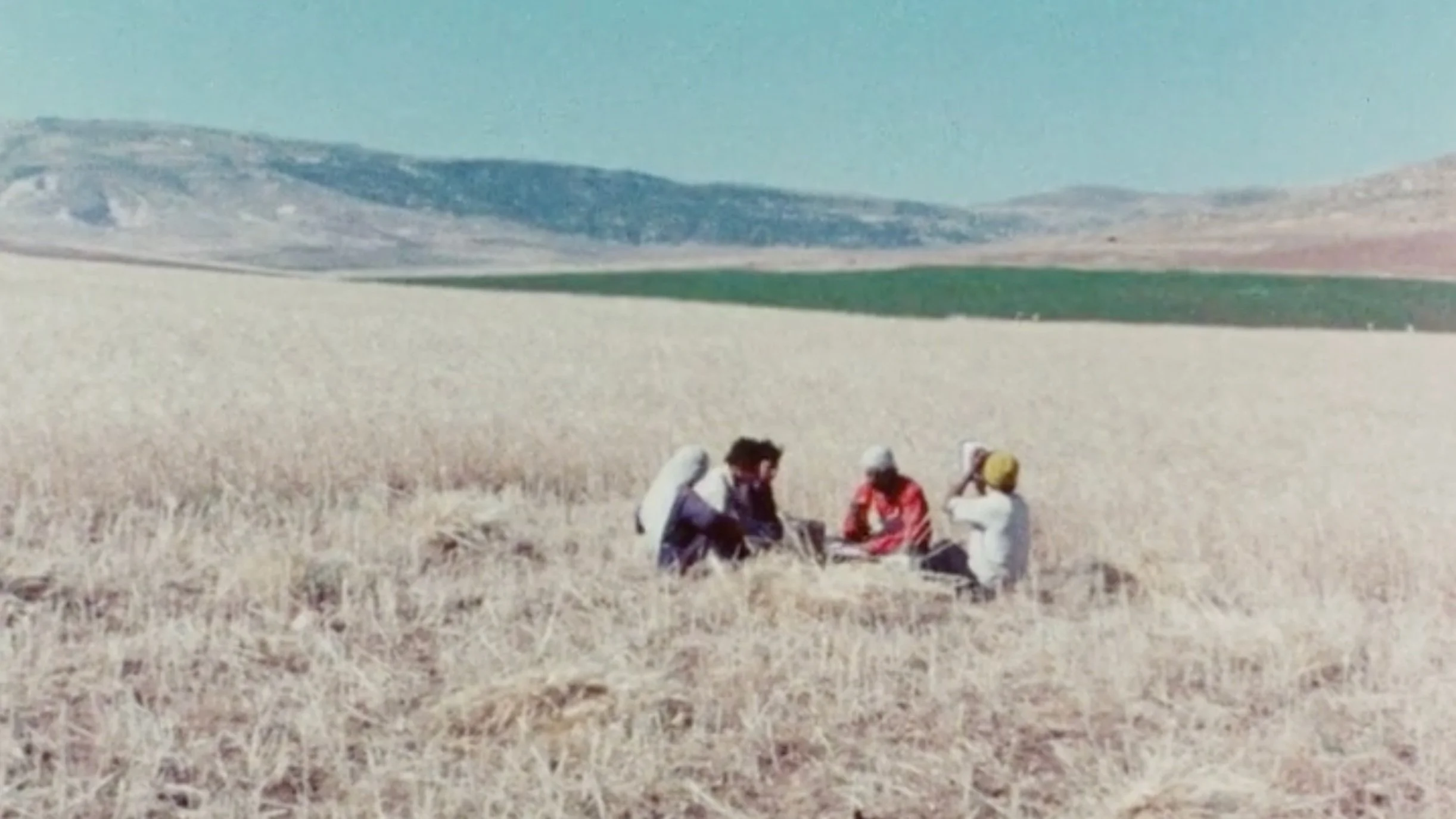
Some of the Palestinians (1976)

June 18, 2025 in Feature, Documentary

Documentary, 55m

Produced by the United Nationals Relief and Works Agency in 1974, Some of the Palestinians documents the services provided by UNRWA to Palestinian refugees across camps in Syrian, Lebanon & the West Bank: housing, education, health services, and rations. Directed and edited by Mamoun Hassan in collaboration with UNRWA’s Audio Visual division, the film was restored in 2018 by Sherief Hassan.

Director & Editor: Mamoun Hassan

Camera: Ernest Vincze, George Nehmeh

Sound Recordist & Assembly Editor: Khalil Ghammaché

Dubbing Mixer: Doug Turner

Assistant Editor & Camera Assistant: Yassin Abdallah

Graphics: Frameline

Assistant on Syrian Location: Kheir Kawash

Producer: Myrtle Winter-Chaumeny

Restoration: Sherief Hassan

Tags: Mamoun Hassan
Comment

Film of the Week #111

June 11th - 18th 2025

Janin Jenin (2024)

June 11, 2025 in Feature, Documentary

Documentary, 1h

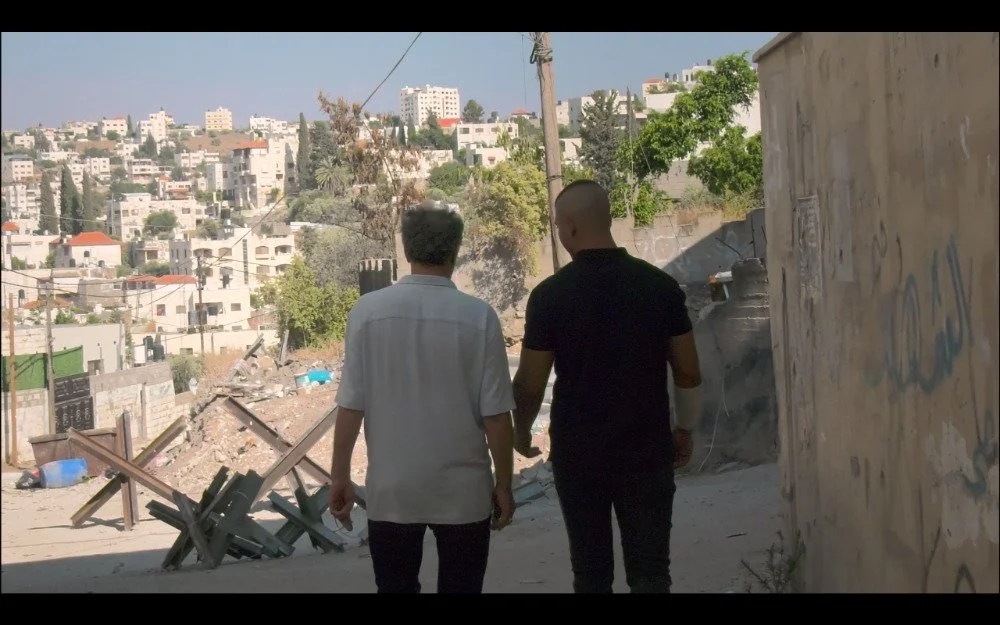
After twenty-one years, the shadows of Israeli pursuits continue to relentlessly chase Palestinian director Mohammed Bakri for his documentary ""Jenin... Jenin."" Originally filmed after the brutal Israeli invasion of the Jenin refugee camp in 2002, the documentary served as a vivid testament to the devastation and oppression experienced by its people. The film became a point of legal contention, with Israeli authorities accusing Bakri of distorting the truth and damaging the image of the Israeli army. Courts ruled to ban the film’s screening and confiscate all copies. Now, in 2023, with history repeating itself, the Israeli military has launched another destructive assault on the Jenin camp. Bakri, once again armed with his camera, returns to document the aftermath of this devastation. "

Director: Mohammad Bakri

Photography: Mahmoud Bakri

Additional Photography: Ziad Bakri

Sound: Yazan Fares

Editing: Mahmoud Bakri

Music: Roger Waters

Tags: Mohammad Bakri
Comment

Film of the Week #110

May 21st - 28th 2025
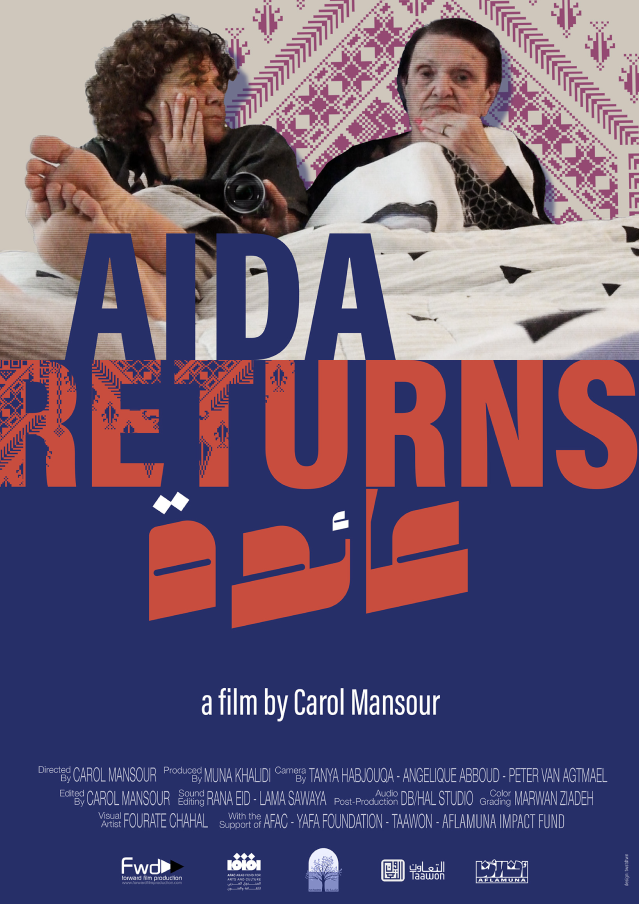
Aida Returns (2024)

May 21, 2025 in Feature, Documentary

Documentary, 1h 12m

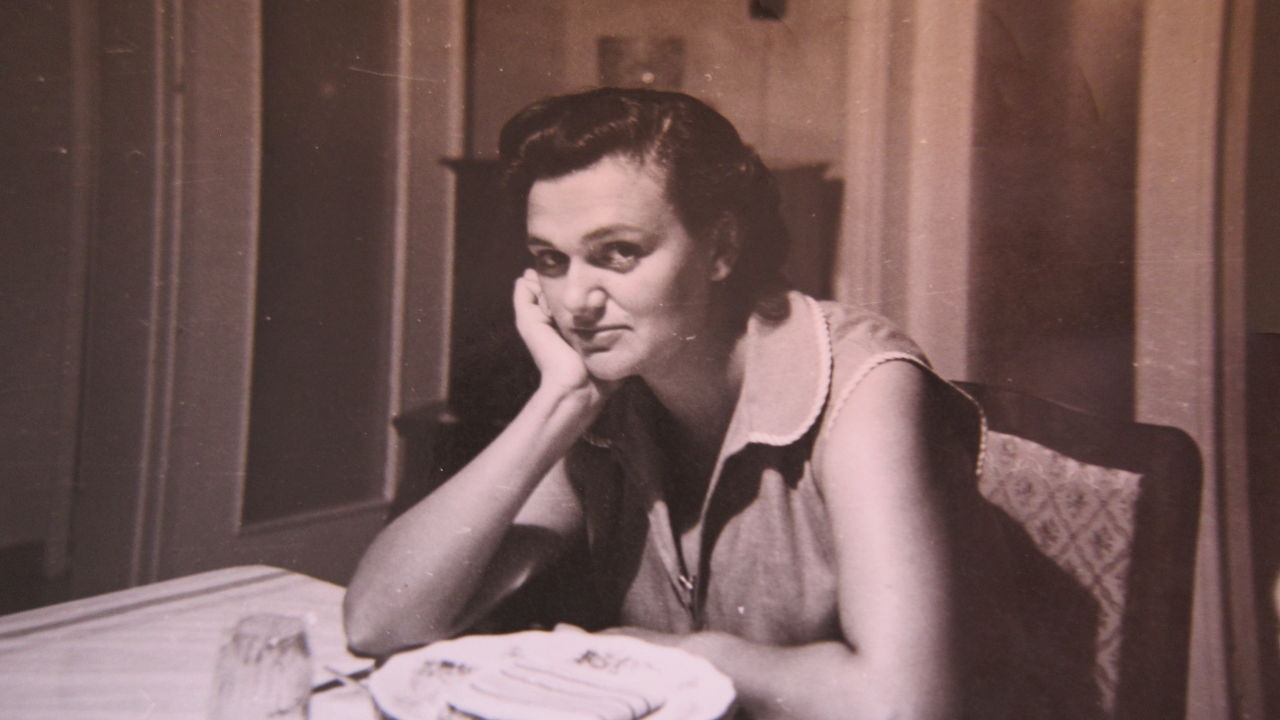
This is a sometimes painful, sometimes humorous, often absurd story of multiple journeys: the journey of loss as the director’s mother Aida struggled with Alzheimer’s disease finding solace in her repeated “returning” to the Yafa of her youth; the journey of losing a parent; and the ultimate return journey to Yafa where Aida would finally find rest.

After her mother’s passing, director Carol Mansour, met friends in Beirut willing to carry Aida back with them to Palestine. The film accompanies Carol as she engineers a way to return her mother aided by an unlikely set of friends and strangers coming together to facilitate what should have been a simple journey. This journey is at the same time very private and yet universal. It is a tribute to the lost past of the director’s family, an attempt to restore part of both an individual and a collective memory, and a poetic nod and affirmation to all those exiled Palestinians forbidden from returning to their hometowns, even after death.

Director: Carol Mansour

Produced by: Muna Khaldi

Camera: Tanya Habjouqa, Angelique Abboud, Peter Van Agtmael

Editing: Carol Mansour

Tags: Carol Mansour
Comment

Film of the Week #109

May 14th - 21st 2025
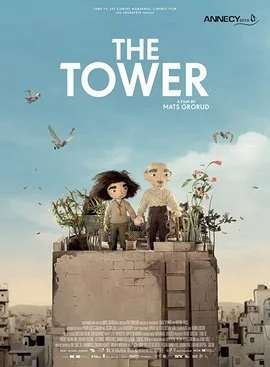
The Tower (2018)

May 14, 2025 in Feature, Animation

Documentary, 1h 25m

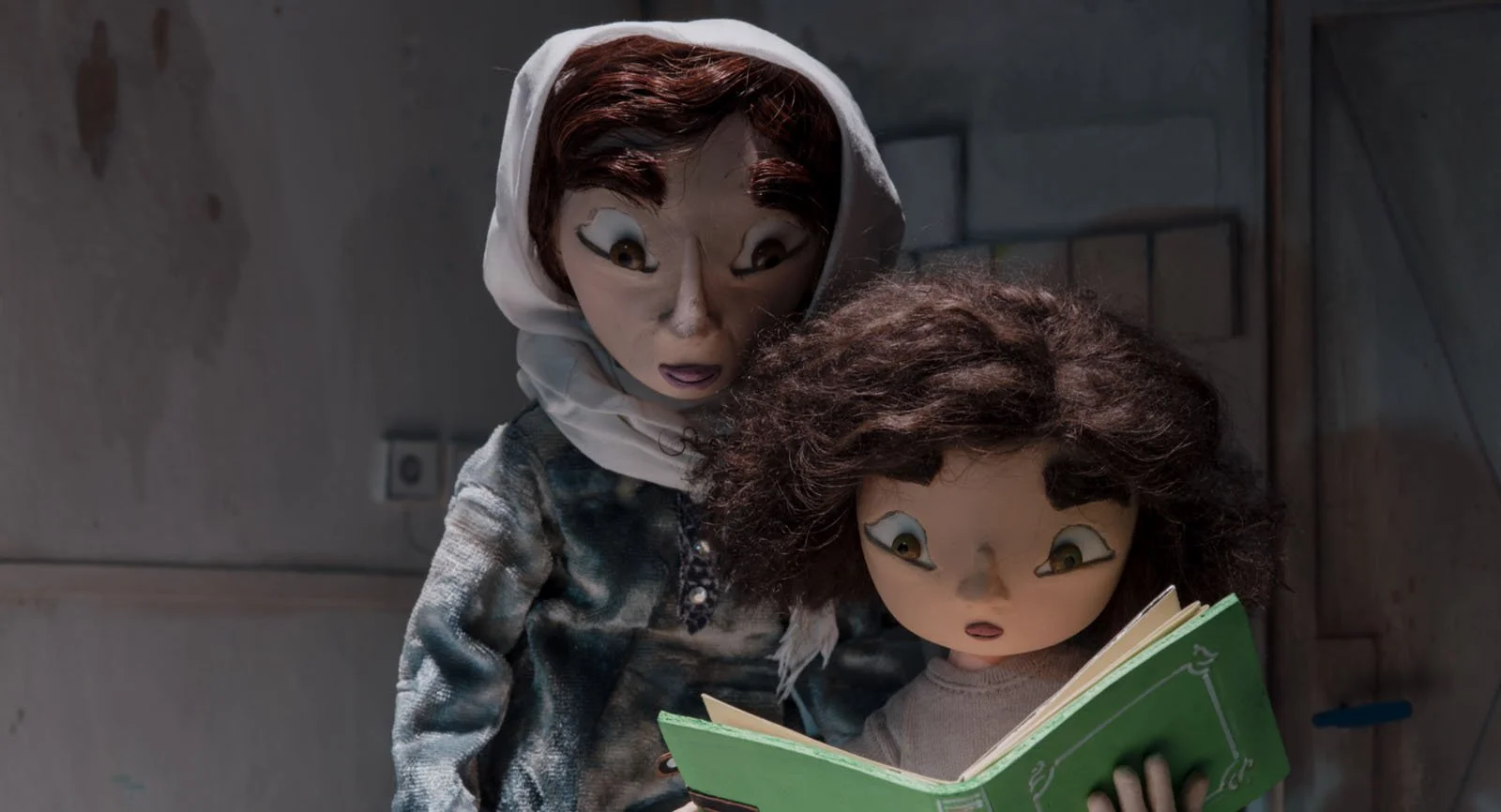
Wardi, an 11-year-old Palestinian girl, lives with her family in a Lebanese refugee camp. She learns about her family's history through stories told by three previous generations of refugees.

Writer & Director: Mats Grorud

Produced by: Patrice Nezan, Laurent Versini, Frode Sobstad, Annika Hellström

Cinematography: Rui Tenreiro, Sara Sponga, Nadine Buss

Editing: Silje Nordseth, Karstein Meinich

Music: Nathanaël Bergese

Starring: Pauline Ziade, Saïd Amadis, Aïssa Maïga, Mohammad Bakri, Saleh Bakri, Bouraouïa Marzouk, Mouna Hawa, Makram Khoury, Slimane Dazi, Darina Al Joundi, Lina Soualem, Raymond Hosni, Omar Yami

Tags: Mats Grorud
Comment

Film of the Week #108

May 7th - 14th 2025
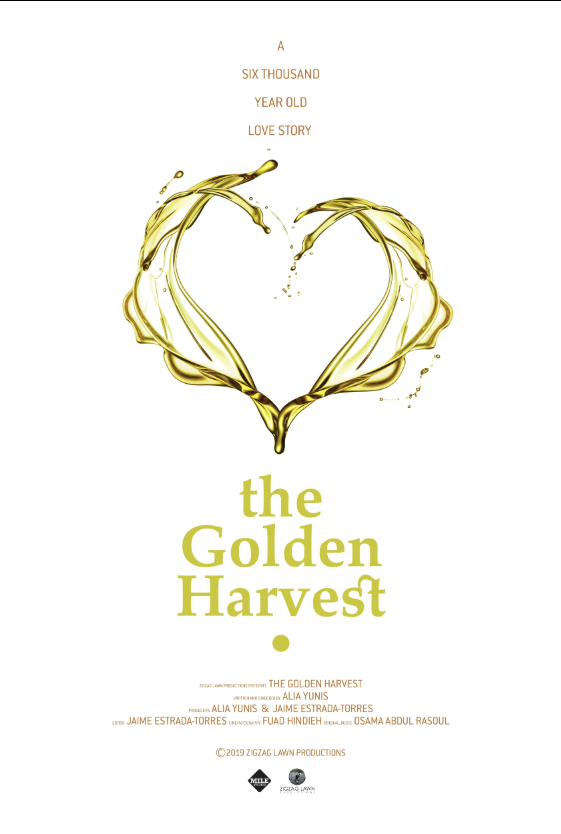
The Golden Harvest (2019)

May 07, 2025 in Feature, Documentary

Documentary, 1h 25m

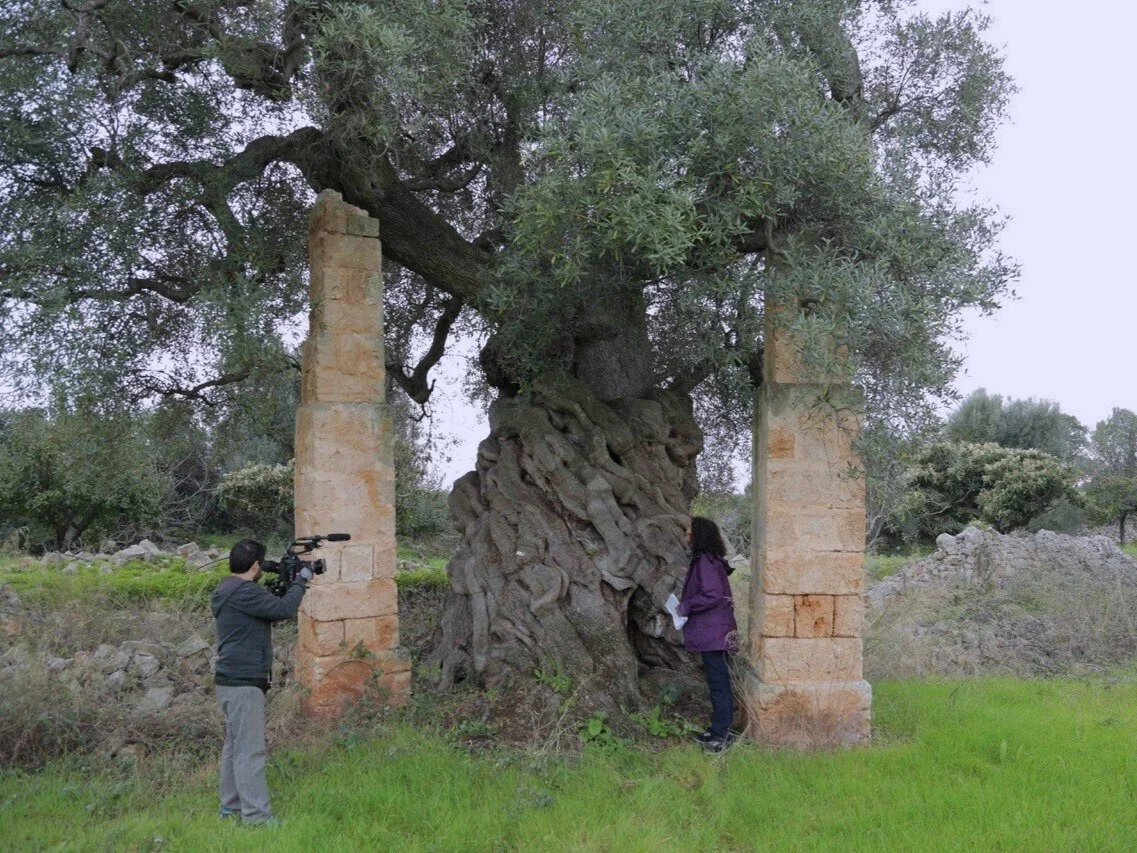
The Golden Harvest is a 6,000-year-old love story in which the filmmaker tries to understand the profound, often troubled, relationship between olive trees and the people of the Mediterranean, including her own father. The olive tree is the cornerstone of Palestine’s shared heritage with the rest of the Mediterranean.

Writer & Director: Alia Yunis

Editor & Producer: Jaime Estrada-Torres

Tags: Alia Yunis
Comment

Film of the Week #107

April 30th - May 7th 2025
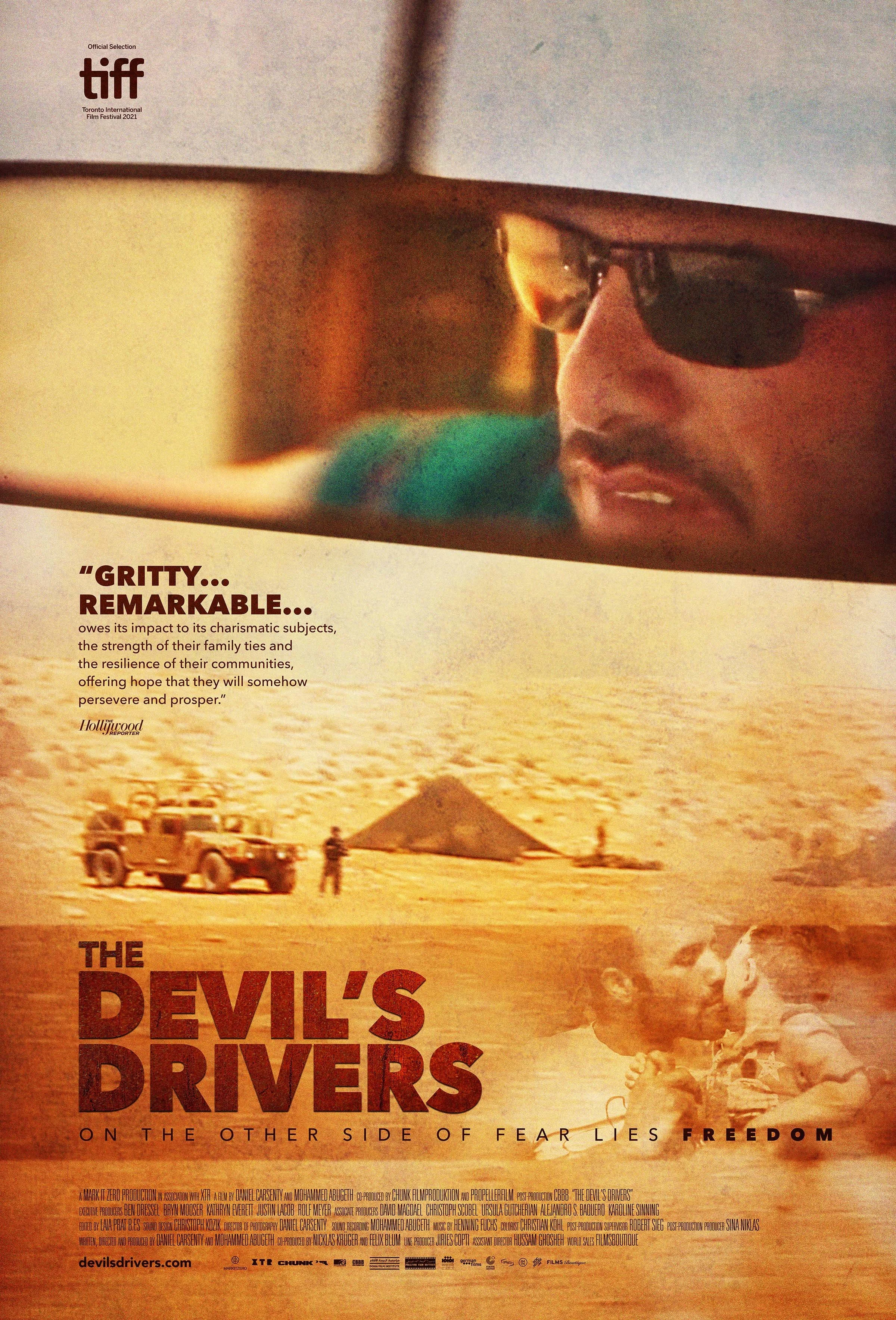
The Devil's Drivers (2021)

April 30, 2025 in Feature, Documentary

Documentary, 1h 25m

In the southern West Bank, Hamouda and his cousin Ismail are among the Bedouin drivers who risk their lives smuggling illegal workers over the border. Between them and the destination, there is the desert - of which they know every inch - and the heavy presence of the Israeli military patrols. If they are caught, they go to jail. Yet only those fares can help them provide for their families, so they keep on driving and enjoying each day of freedom as it might just be the last.

Directors: Mohammed Abugeth & Daniel Carsenty

Tags: Mohammed Abugeth, Daniel Carsenty
Comment

Film of the Week #106

April 16th - 23rd 2025
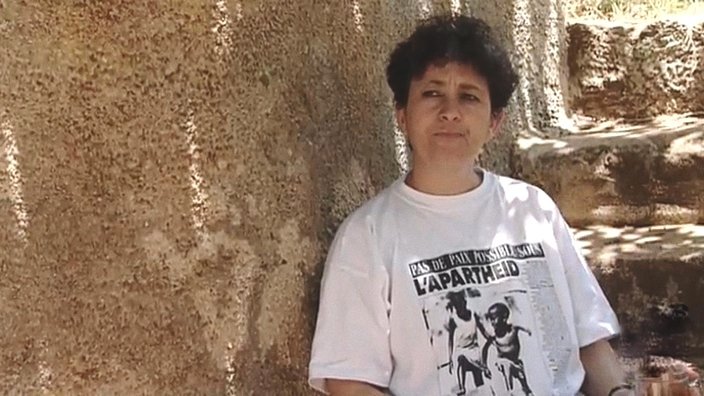
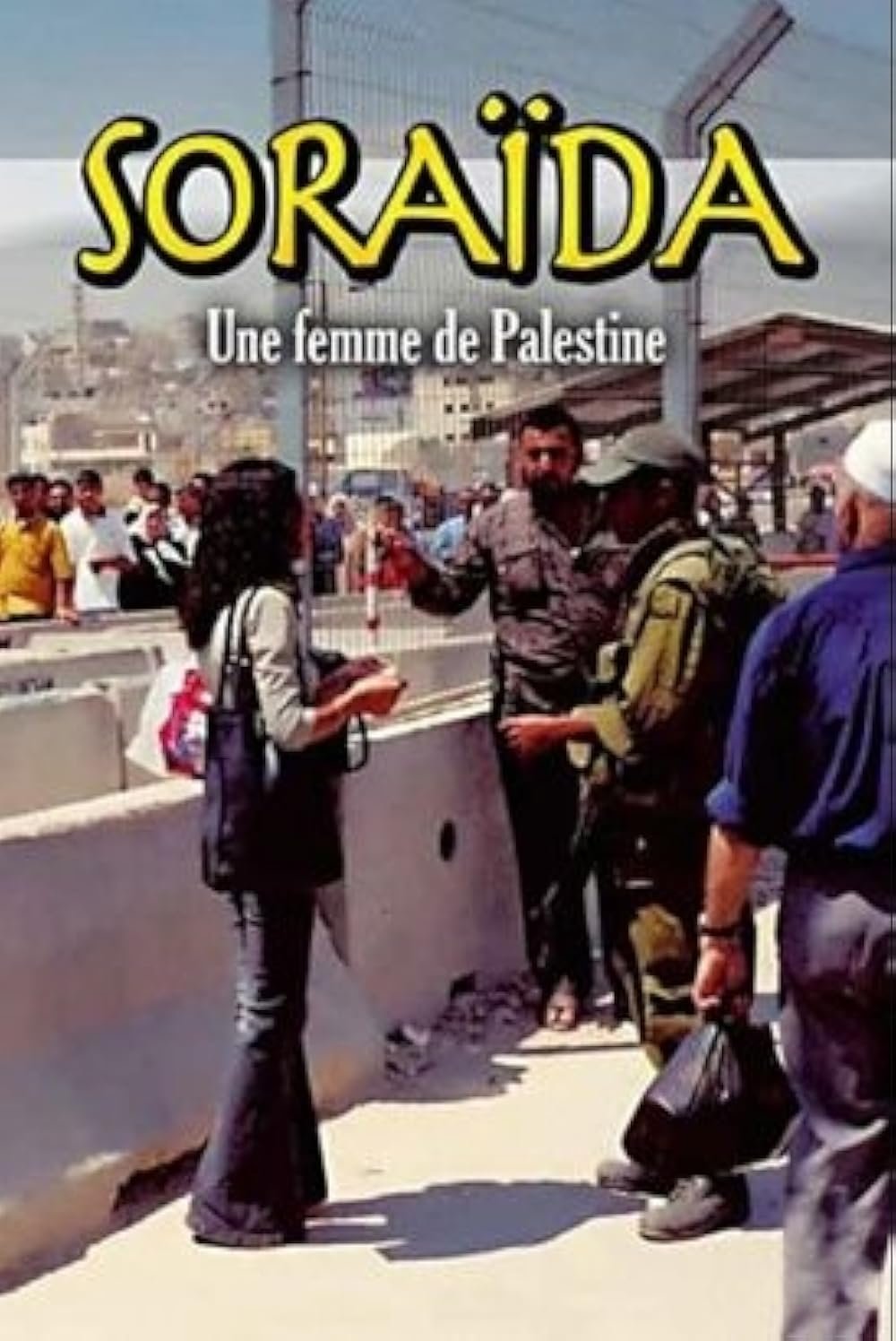
Soraida, a Woman of Palestine (2004)

April 16, 2025 in Feature, Documentary

Documentary, 1h 59m

In the era of the second Palestinian Intifada (2000-2005), Canadian-Egyptian filmmaker Tahani Rached decided to delve into the realities of living under curfews and recurring military incursions from the perspectives of women in Ramallah. Soraida is one of them. The film provides intimate insights into her everyday life, as she grapples with fears and hardships, armed with the power of resilience and an enduring hope for a better future for her family and her people. Rached’s diligent narrative allows space for untold stories about being a woman under occupation and the underrepresented dimensions of resistance this entails.

Writer & Director: Tahani Rached

Director of Photography: Jacques Leduc

Production: Yves Bisaillon

Participants:

Soraïda Abed Hussein

Rula Abu Dahou

Heijar Abu-el Haj

Thuraya Alayan

Rana Mousa

Hanan Mousa

Jameela Mozayan

Hassan Mozayan

Loai Mozayan

Tags: Tahani Rached
Comment

Film of the Week #105

April 9th - 16th 2025
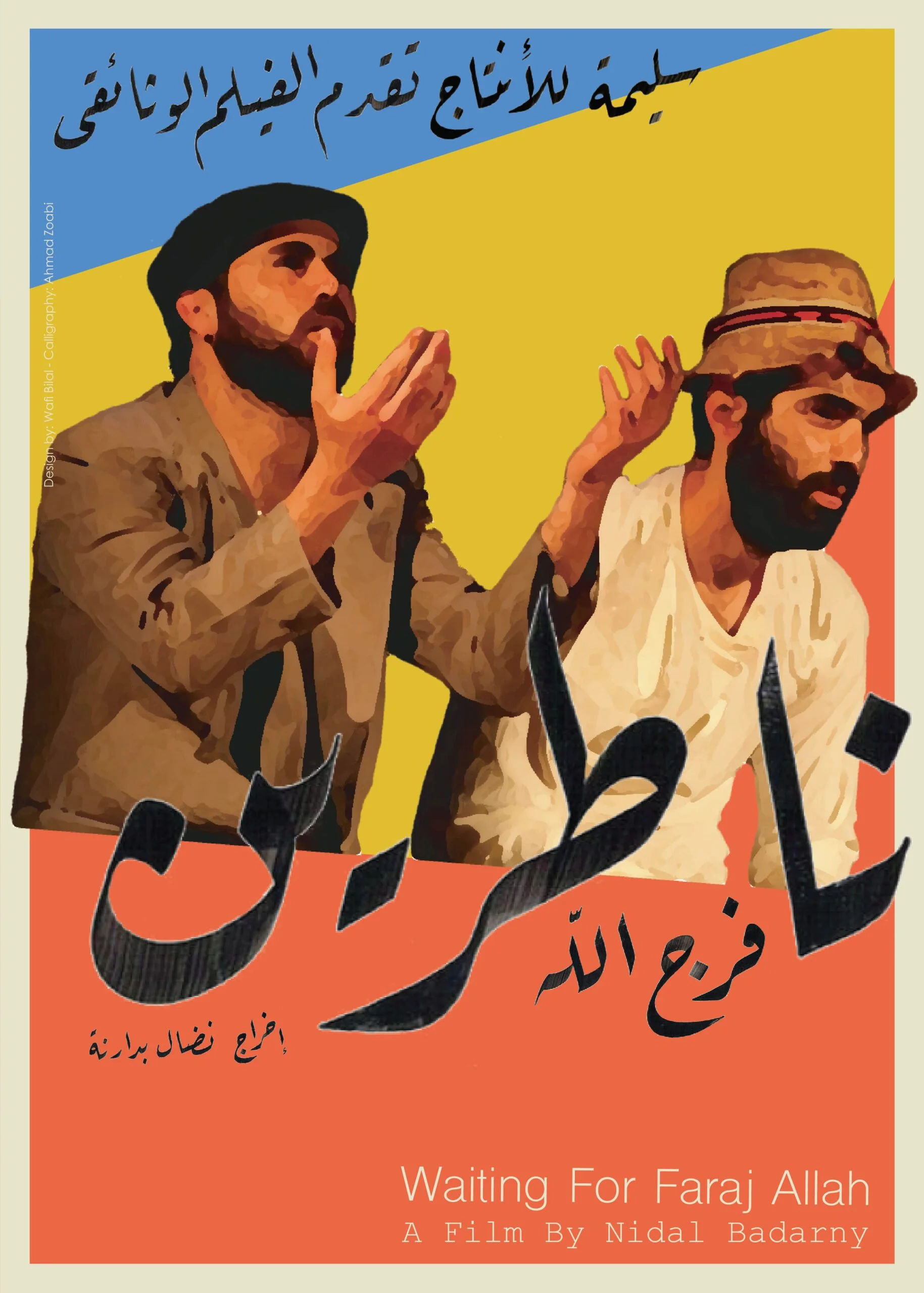
Waiting for Farajallah (2019)

April 09, 2025 in Feature, Documentary

Documentary, 55m

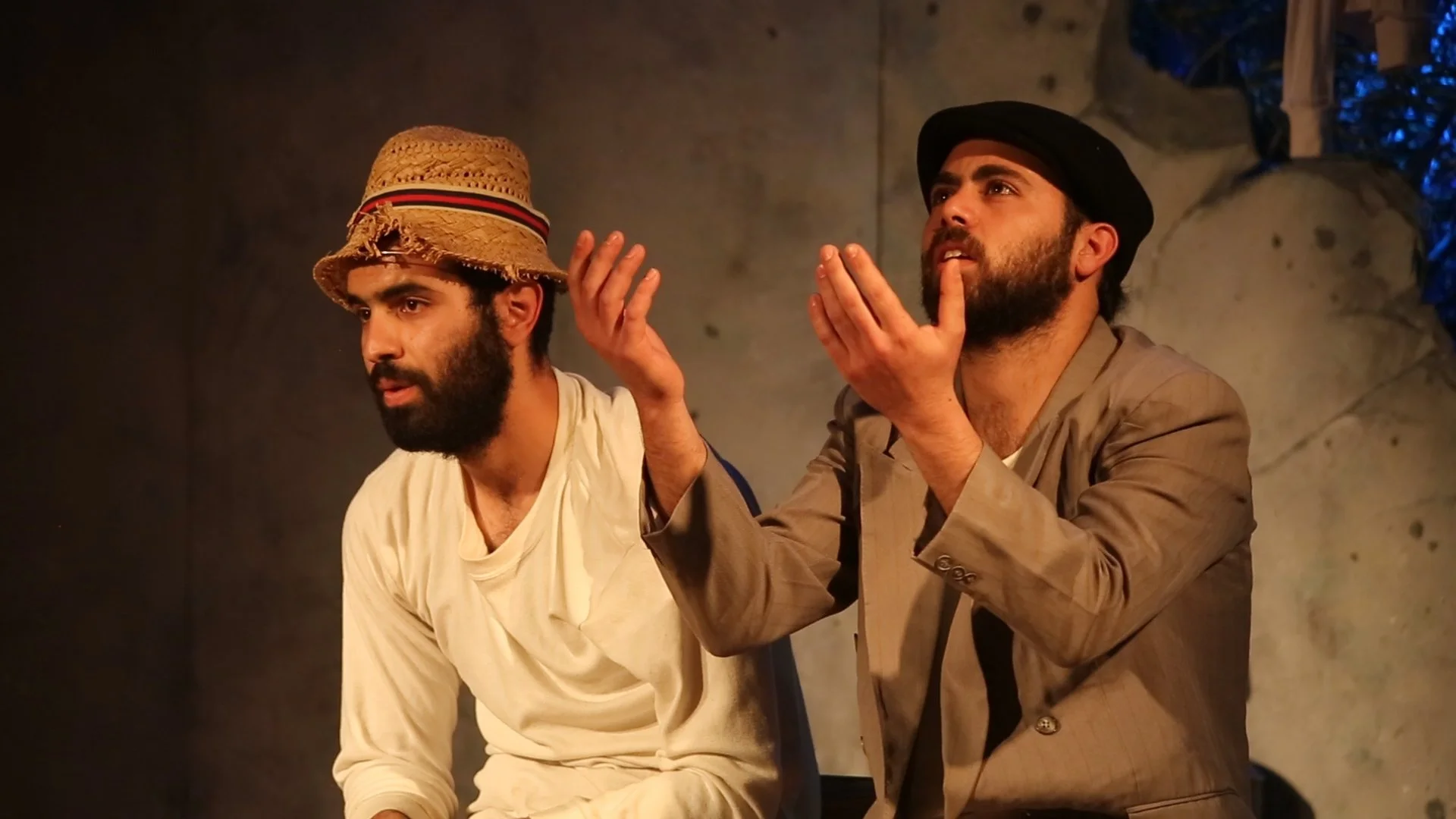
We are taken behind the scenes of a play in-the-making: The play is Samuel Beckett’s WAITING FOR GODOT—starring a group of young 48-Palestinians. One by one, we are introduced to a variety of characters: the play’s director, actors, and other ordinary people. As we delve further into each of their lives, the film reveals the startling parallels between the themes of the play and their own. Everyone is waiting for something: a permit to build a house, better work conditions, a starring role in a film. Much like Waiting for Godot, our heroes are awaiting Faraj Allah… something that may or may not come. 

Director: Nidal Badarny

Tags: Nidal Badarny
Comment

Film of the Week #104

April 2nd - 9th 2025

The Seed Queen of Palestine (2018)

April 02, 2025 in Short, Documentary

Documentary, 25m

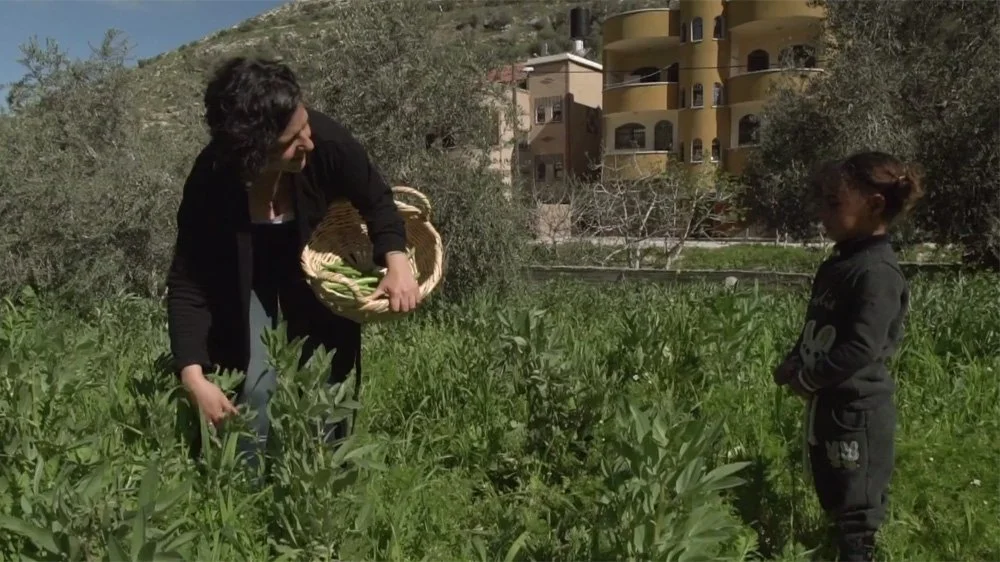
In the fields and terraces of the occupied West Bank, a Palestinian woman is leading a quiet revolution. Vivien Sansour is distributing rare, ancient heirloom seeds to Palestinian farmers. Inspired by memories of her grandmother and the delicious food of her childhood, Vivien wants to reintroduce long forgotten Palestinian produce to the tables of people across the West Bank and beyond. And she believes these organic, climate change-resistant seeds are the key to that. She experiments with growing the treasured seeds in her own garden beside the separation wall, under the watchful eye of Israeli soldiers. Popular local herbs and seasonal vegetables flourish as she tends to her garden with expert care and dreams of reviving and celebrating Palestinian food culture. But can she persuade farmers struggling with the pressures imposed by the Israeli occupation and agribusiness to embrace such traditional crop-growing methods? To convince them of the value of the seeds, she sets up a traveling kitchen, taking her seeds and their produce on the road and reminding Palestinians of the power of food to capture the joy and beauty of home.

Director: Mariam Shahin

Cinematographer: Talal Jabari

Editor: Rabab Haj Yahya

Featuring: Vivien Sansour

Tags: Mariam Shahin
Comment

Film of the Week #103

March 26th - April 2nd 2025

Guest curated by Batool Elhennawy, Contemporary Image Collective (Cairo)
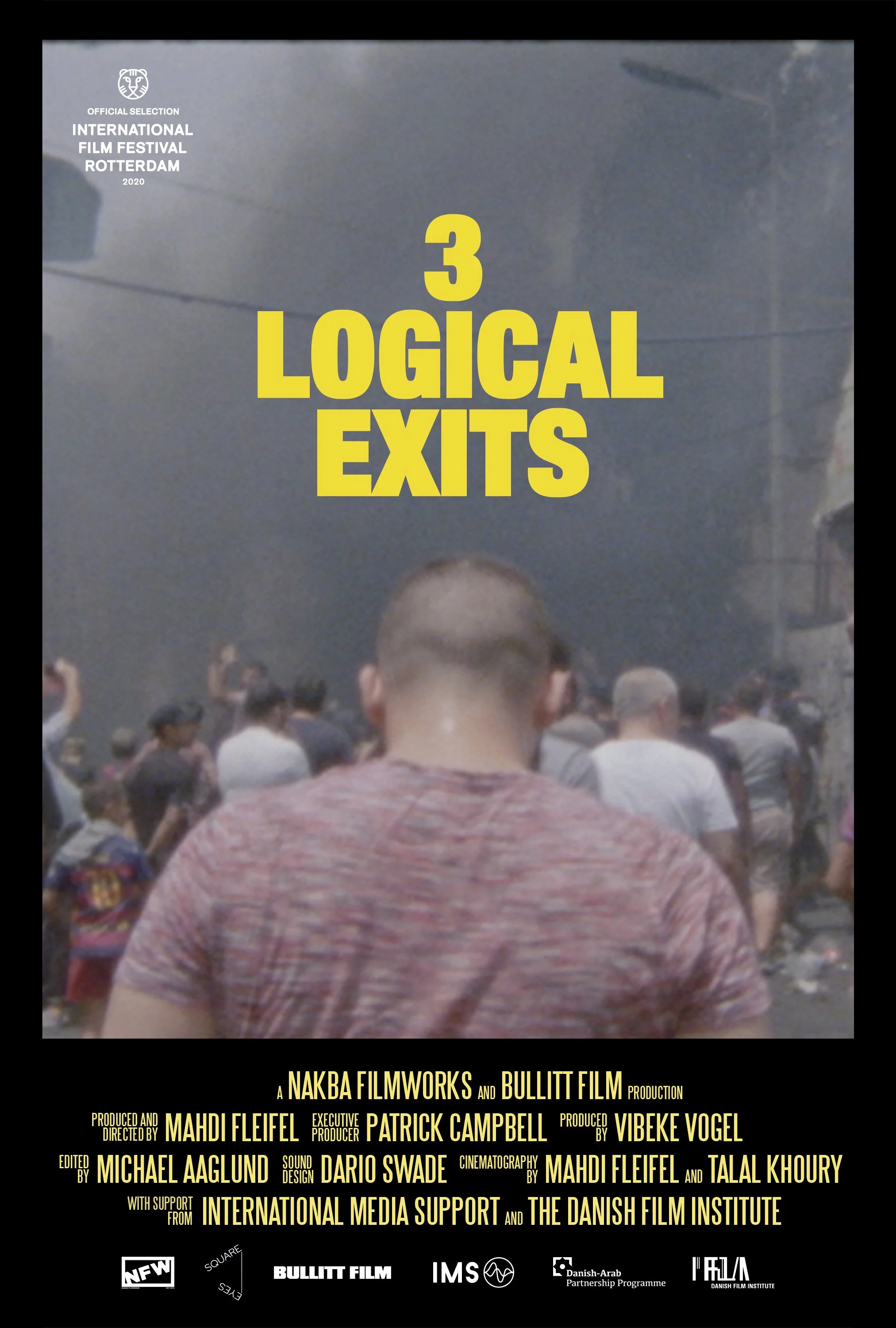
Xenos (2012)

March 26, 2025 in Short, Documentary

Documentary, 14 mins

A sociological meditation on the different “exits” that young Palestinians choose, in order to cope with life in the refugee camps.

Director & Producer: Mahdi Fleifel

Camera: Mahdi Fleifel, Talal Khoury

Sound Design: Dario Swade

Editing: Michael Aaglund


This month, the films of the Palestine Film Platform have been guest curated by Batool Batool Elhennawy of the Contemporary Image Collective in Cairo. Between Syria, Lebanon, and Palestine, this film program thinks through the zionist/imperialist threat of a “regional war” and the ways the zionist occupation of Palestine led to an intersectional history of resistance in the region. The films work with themes of inaccessibility, in location of filming, or visual language, due to regimes in the three countries, and by extension their relationship to the occupation. In two overlapping types of oppression, the program attempts to think of the complexity of liberation, and the images of resistance. Ones that document, maneuver, or navigate a political catastrophe (both the distinctive and the ongoing: the nakba, the genocide, or ongoing crimes of the occupation). While the history and news from the region intersect, each geo-political site is different. As we delve into the filmmakers’ stories, perhaps we see how far the distinction is essential to a unified cause. The sentiments are shared, and the goal of liberation is one, but the complexities speak volumes.

The films engage in one on one relationships and conversations, from seemingly private, or at least specific, encounters. These conversations lead us to think of the tools of cinema as a form of observation, and a mediator of experience, one that can redefine or interplay with the experience itself. In a time where we pay tribute on a daily basis to the images of resistance from inside Gaza, the West Bank, and South Lebanon, as well as think of the power an image can hold to divert an oppressive narrative, to speak truth, to break the definition of zionist time. We additionally think, can these moments of agency and clarity in a political story come to us quietly, often unnoticed? The Syrian post-revolutionary context adds a distinct timeline and spatiality of resistance. While we listen to the filmmakers and their subjects on site, as they share a camera, we hope to engage in the potential that telling a historical story has to accumulate within the discourse of liberation.

Batool Elhennawy is an artist and cultural programmer. She studied painting at the Faculty of Fine Arts, Helwan University. She worked with the Cairo Institute for Arts and Sciences in Cairo and Alexandria, as well as doing research for art and culture institutions and projects. She participated in Spring Sessions residency (2017), The Lab Residency (2019) at Darat al Funun, Amman, Jordan, and Arriving Elsewhere (2019) in Wadi Rum, Jordan, PS: Communitism (2023) in Athens, where she developed and exhibited work, and co-curated After Hours residency (2020) at Darat al Funun. She is currently working as a programmer at Contemporary Image Collective (CIC). Her practice revolves around working with theory to find starting points for projects that might take on other forms, with a focus on text, and (moving) image.

Tags: Mahdi Fleifel
Comment

Film of the Week #103

March 26th - April 2nd 2025

Guest curated by Batool Elhennawy, Contemporary Image Collective (Cairo)
I Signed the Petition (2018)

March 26, 2025 in Short, Documentary

Documentary, 11 mins

Immediately after a Palestinian man signs an online petition, he is thrown into a panic-inducing spiral of self-doubt. Over the course of a conversation with an understanding friend, he analyses, deconstructs and interprets the meaning of his choice to publicly support the cultural boycott of Israel.

Director/Photographer: Mahdi Fleifel

Producers: Mahdi Fleifel, Patrick Campbell

Editor: Michael Aaglund

Sound Designer: Dario Swade

Featuring: Faris Nasrallah, Mahdi Fleifel


This month, the films of the Palestine Film Platform have been guest curated by Batool Batool Elhennawy of the Contemporary Image Collective in Cairo. Between Syria, Lebanon, and Palestine, this film program thinks through the zionist/imperialist threat of a “regional war” and the ways the zionist occupation of Palestine led to an intersectional history of resistance in the region. The films work with themes of inaccessibility, in location of filming, or visual language, due to regimes in the three countries, and by extension their relationship to the occupation. In two overlapping types of oppression, the program attempts to think of the complexity of liberation, and the images of resistance. Ones that document, maneuver, or navigate a political catastrophe (both the distinctive and the ongoing: the nakba, the genocide, or ongoing crimes of the occupation). While the history and news from the region intersect, each geo-political site is different. As we delve into the filmmakers’ stories, perhaps we see how far the distinction is essential to a unified cause. The sentiments are shared, and the goal of liberation is one, but the complexities speak volumes.

The films engage in one on one relationships and conversations, from seemingly private, or at least specific, encounters. These conversations lead us to think of the tools of cinema as a form of observation, and a mediator of experience, one that can redefine or interplay with the experience itself. In a time where we pay tribute on a daily basis to the images of resistance from inside Gaza, the West Bank, and South Lebanon, as well as think of the power an image can hold to divert an oppressive narrative, to speak truth, to break the definition of zionist time. We additionally think, can these moments of agency and clarity in a political story come to us quietly, often unnoticed? The Syrian post-revolutionary context adds a distinct timeline and spatiality of resistance. While we listen to the filmmakers and their subjects on site, as they share a camera, we hope to engage in the potential that telling a historical story has to accumulate within the discourse of liberation.

Batool Elhennawy is an artist and cultural programmer. She studied painting at the Faculty of Fine Arts, Helwan University. She worked with the Cairo Institute for Arts and Sciences in Cairo and Alexandria, as well as doing research for art and culture institutions and projects. She participated in Spring Sessions residency (2017), The Lab Residency (2019) at Darat al Funun, Amman, Jordan, and Arriving Elsewhere (2019) in Wadi Rum, Jordan, PS: Communitism (2023) in Athens, where she developed and exhibited work, and co-curated After Hours residency (2020) at Darat al Funun. She is currently working as a programmer at Contemporary Image Collective (CIC). Her practice revolves around working with theory to find starting points for projects that might take on other forms, with a focus on text, and (moving) image.

Tags: Mahdi Fleifel
Comment

Film of the Week #103

March 26th - April 2nd 2025

Guest curated by Batool Elhennawy, Contemporary Image Collective (Cairo)
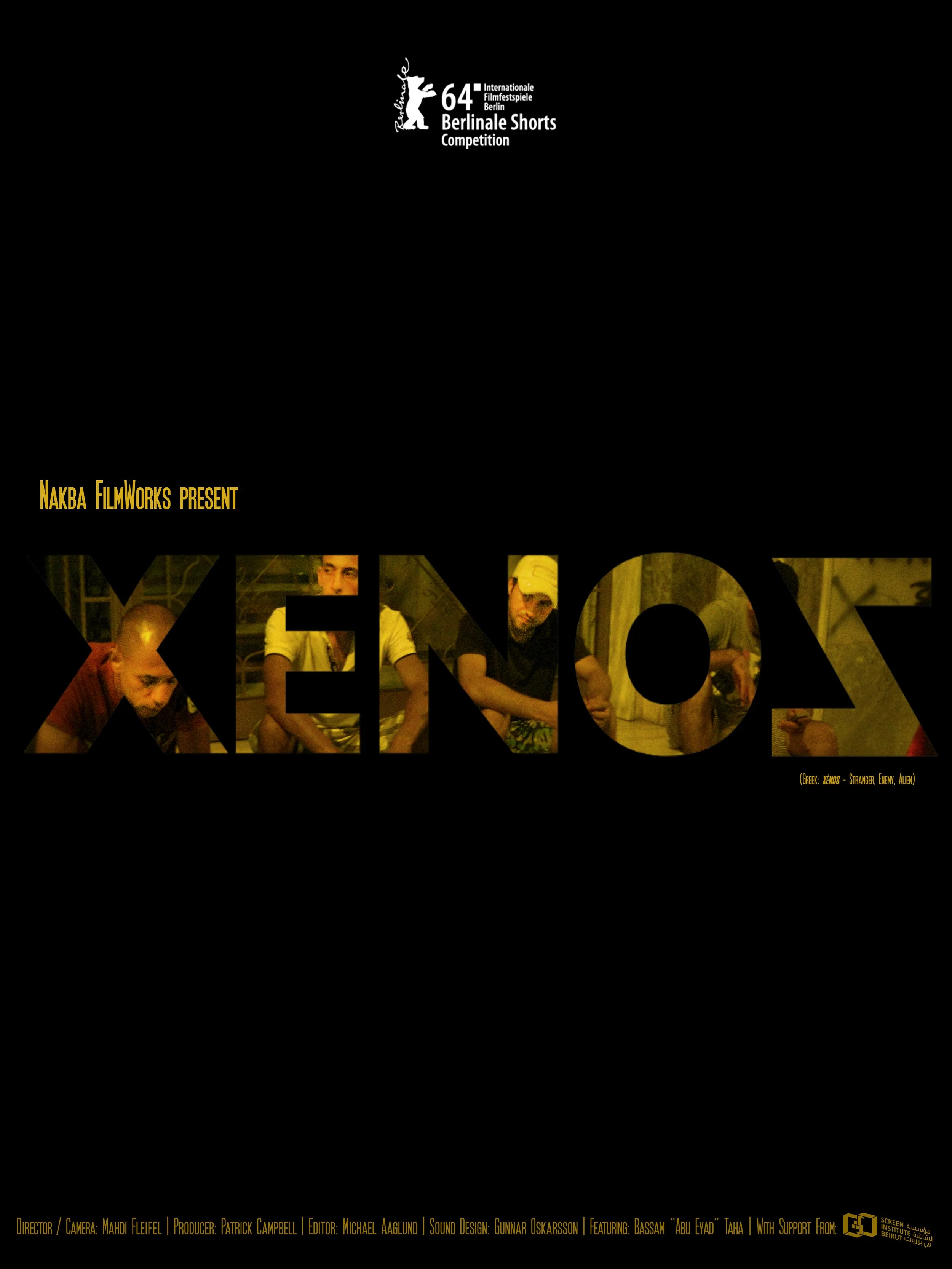
Xenos (2012)

March 26, 2025 in Short, Documentary

Documentary, 13 mins

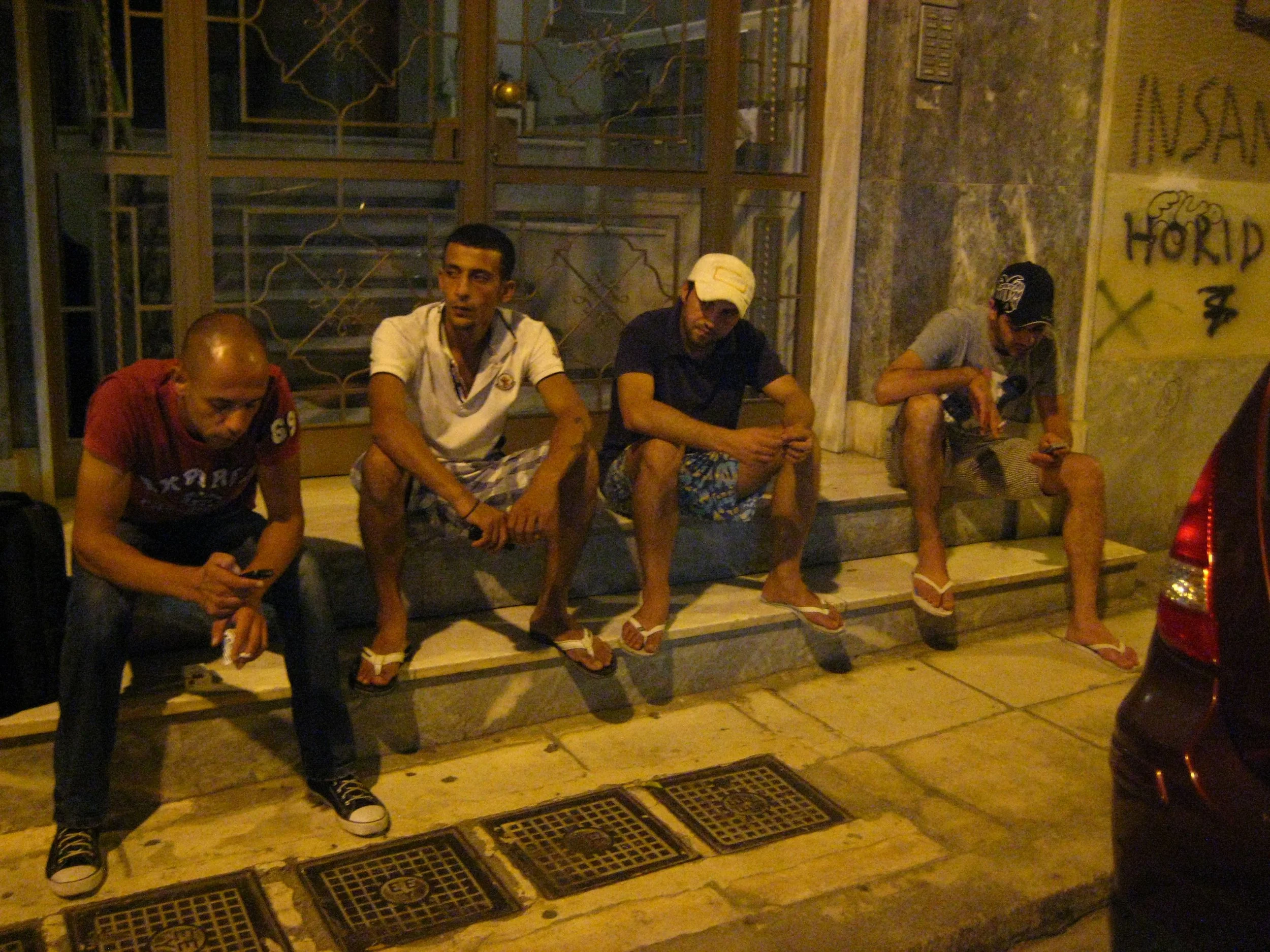
In 2010, Abu Eyad and other young Palestinian men from the Ain el-Helweh refugee camp in Lebanon travelled with smugglers through Syria and Turkey into Greece. Like so many other migrants, they caame looking for a way into Europe but found themselves trapped in a country undergoing economic, political, and social collapse.

Xenos is a short documentary blending footage shot on visits to Athens in 2011 with phone conversations recorded during Abu Eyad's time there. It tells of his day-to-day struggle for survival and enduring sense of exile in a land of hope that has become a nightmare.

Director/Photographer: Mahdi Fleifel

Producer: Patrick Campbell

Editor: Michael Aaglund

Sound Designer: Gunnar Oskarsson

Featuring: Abu Eyad, Nizar, El-Yes, Muckhtar, Abu El-hob, El-khal, Abed M


This month, the films of the Palestine Film Platform have been guest curated by Batool Batool Elhennawy of the Contemporary Image Collective in Cairo. Between Syria, Lebanon, and Palestine, this film program thinks through the zionist/imperialist threat of a “regional war” and the ways the zionist occupation of Palestine led to an intersectional history of resistance in the region. The films work with themes of inaccessibility, in location of filming, or visual language, due to regimes in the three countries, and by extension their relationship to the occupation. In two overlapping types of oppression, the program attempts to think of the complexity of liberation, and the images of resistance. Ones that document, maneuver, or navigate a political catastrophe (both the distinctive and the ongoing: the nakba, the genocide, or ongoing crimes of the occupation). While the history and news from the region intersect, each geo-political site is different. As we delve into the filmmakers’ stories, perhaps we see how far the distinction is essential to a unified cause. The sentiments are shared, and the goal of liberation is one, but the complexities speak volumes.

The films engage in one on one relationships and conversations, from seemingly private, or at least specific, encounters. These conversations lead us to think of the tools of cinema as a form of observation, and a mediator of experience, one that can redefine or interplay with the experience itself. In a time where we pay tribute on a daily basis to the images of resistance from inside Gaza, the West Bank, and South Lebanon, as well as think of the power an image can hold to divert an oppressive narrative, to speak truth, to break the definition of zionist time. We additionally think, can these moments of agency and clarity in a political story come to us quietly, often unnoticed? The Syrian post-revolutionary context adds a distinct timeline and spatiality of resistance. While we listen to the filmmakers and their subjects on site, as they share a camera, we hope to engage in the potential that telling a historical story has to accumulate within the discourse of liberation.

Batool Elhennawy is an artist and cultural programmer. She studied painting at the Faculty of Fine Arts, Helwan University. She worked with the Cairo Institute for Arts and Sciences in Cairo and Alexandria, as well as doing research for art and culture institutions and projects. She participated in Spring Sessions residency (2017), The Lab Residency (2019) at Darat al Funun, Amman, Jordan, and Arriving Elsewhere (2019) in Wadi Rum, Jordan, PS: Communitism (2023) in Athens, where she developed and exhibited work, and co-curated After Hours residency (2020) at Darat al Funun. She is currently working as a programmer at Contemporary Image Collective (CIC). Her practice revolves around working with theory to find starting points for projects that might take on other forms, with a focus on text, and (moving) image.

Tags: Mahdi Fleifel
Comment

Film of the Week #102

March 19th - March 26th 2025

Guest curated by Batool Elhennawy, Contemporary Image Collective (Cairo)
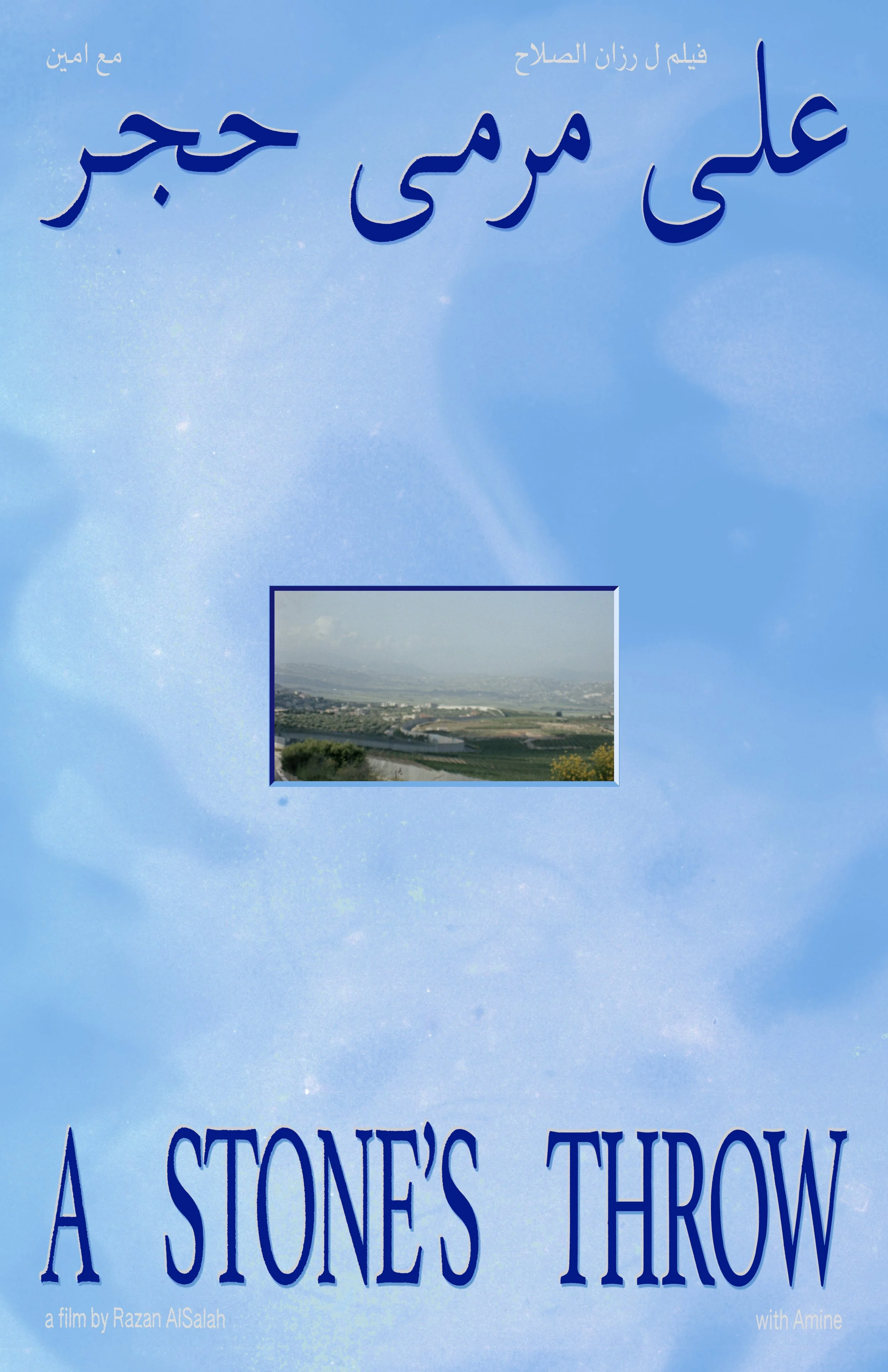
A Stone’s Throw (2024)

March 19, 2025 in Short, Experimental

Experimental, 31m

Amine, a Palestinian elder, is exiled twice, from land and labor, from Haifa to Beirut to a Gulf offshore oil platform. "A Stone’s Throw" trespasses borders to reveal an emotional and material proximity between the extraction of oil and labour in the region and the Zionist colonization of Palestine. The film rehearses a history of the Palestinian resistance when, in 1936, the oil labourers of Haifa blow up a BP pipeline.

Director: Razan AlSalah


This month, the films of the Palestine Film Platform have been guest curated by Batool Batool Elhennawy of the Contemporary Image Collective in Cairo. Between Syria, Lebanon, and Palestine, this film program thinks through the zionist/imperialist threat of a “regional war” and the ways the zionist occupation of Palestine led to an intersectional history of resistance in the region. The films work with themes of inaccessibility, in location of filming, or visual language, due to regimes in the three countries, and by extension their relationship to the occupation. In two overlapping types of oppression, the program attempts to think of the complexity of liberation, and the images of resistance. Ones that document, maneuver, or navigate a political catastrophe (both the distinctive and the ongoing: the nakba, the genocide, or ongoing crimes of the occupation). While the history and news from the region intersect, each geo-political site is different. As we delve into the filmmakers’ stories, perhaps we see how far the distinction is essential to a unified cause. The sentiments are shared, and the goal of liberation is one, but the complexities speak volumes.

The films engage in one on one relationships and conversations, from seemingly private, or at least specific, encounters. These conversations lead us to think of the tools of cinema as a form of observation, and a mediator of experience, one that can redefine or interplay with the experience itself. In a time where we pay tribute on a daily basis to the images of resistance from inside Gaza, the West Bank, and South Lebanon, as well as think of the power an image can hold to divert an oppressive narrative, to speak truth, to break the definition of zionist time. We additionally think, can these moments of agency and clarity in a political story come to us quietly, often unnoticed? The Syrian post-revolutionary context adds a distinct timeline and spatiality of resistance. While we listen to the filmmakers and their subjects on site, as they share a camera, we hope to engage in the potential that telling a historical story has to accumulate within the discourse of liberation.

Batool Elhennawy is an artist and cultural programmer. She studied painting at the Faculty of Fine Arts, Helwan University. She worked with the Cairo Institute for Arts and Sciences in Cairo and Alexandria, as well as doing research for art and culture institutions and projects. She participated in Spring Sessions residency (2017), The Lab Residency (2019) at Darat al Funun, Amman, Jordan, and Arriving Elsewhere (2019) in Wadi Rum, Jordan, PS: Communitism (2023) in Athens, where she developed and exhibited work, and co-curated After Hours residency (2020) at Darat al Funun. She is currently working as a programmer at Contemporary Image Collective (CIC). Her practice revolves around working with theory to find starting points for projects that might take on other forms, with a focus on text, and (moving) image.

Tags: Razan AlSalah
Comment

Film of the Week #101

March 12th - March 19th 2025

Guest curated by Batool Elhennawy, Contemporary Image Collective (Cairo)
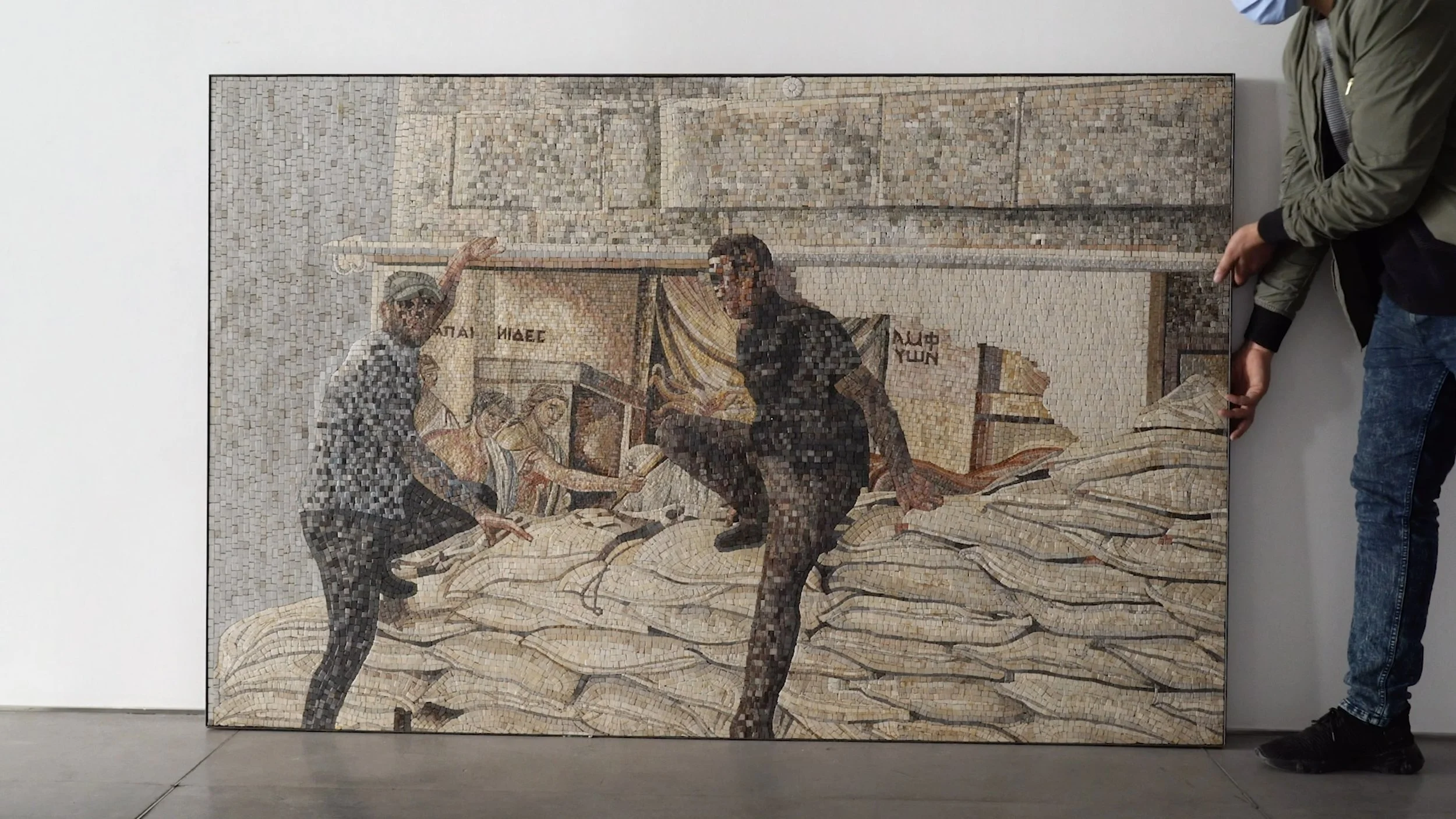
Abou Farid’s War (2021)

March 12, 2025 in Short, Experimental

Experimental, 31m

Archaeology inspector and conservator Abou Farid shares part of his image library documenting the condition of mosaic works in the aftermath of several raids on Ma’arrat Al-Numan Museum in Idlib, Syria as well as the independent preservation efforts that ensued. The images give way to an aleatory conversation interweaving questions of cultural heritage and territory, preservation techniques and destruction, traceability and looting, and the production and circulation of images in times of war. 

Director: Omar Mismar


This month, the films of the Palestine Film Platform have been guest curated by Batool Batool Elhennawy of the Contemporary Image Collective in Cairo. Between Syria, Lebanon, and Palestine, this film program thinks through the zionist/imperialist threat of a “regional war” and the ways the zionist occupation of Palestine led to an intersectional history of resistance in the region. The films work with themes of inaccessibility, in location of filming, or visual language, due to regimes in the three countries, and by extension their relationship to the occupation. In two overlapping types of oppression, the program attempts to think of the complexity of liberation, and the images of resistance. Ones that document, maneuver, or navigate a political catastrophe (both the distinctive and the ongoing: the nakba, the genocide, or ongoing crimes of the occupation). While the history and news from the region intersect, each geo-political site is different. As we delve into the filmmakers’ stories, perhaps we see how far the distinction is essential to a unified cause. The sentiments are shared, and the goal of liberation is one, but the complexities speak volumes.

The films engage in one on one relationships and conversations, from seemingly private, or at least specific, encounters. These conversations lead us to think of the tools of cinema as a form of observation, and a mediator of experience, one that can redefine or interplay with the experience itself. In a time where we pay tribute on a daily basis to the images of resistance from inside Gaza, the West Bank, and South Lebanon, as well as think of the power an image can hold to divert an oppressive narrative, to speak truth, to break the definition of zionist time. We additionally think, can these moments of agency and clarity in a political story come to us quietly, often unnoticed? The Syrian post-revolutionary context adds a distinct timeline and spatiality of resistance. While we listen to the filmmakers and their subjects on site, as they share a camera, we hope to engage in the potential that telling a historical story has to accumulate within the discourse of liberation.

Batool Elhennawy is an artist and cultural programmer. She studied painting at the Faculty of Fine Arts, Helwan University. She worked with the Cairo Institute for Arts and Sciences in Cairo and Alexandria, as well as doing research for art and culture institutions and projects. She participated in Spring Sessions residency (2017), The Lab Residency (2019) at Darat al Funun, Amman, Jordan, and Arriving Elsewhere (2019) in Wadi Rum, Jordan, PS: Communitism (2023) in Athens, where she developed and exhibited work, and co-curated After Hours residency (2020) at Darat al Funun. She is currently working as a programmer at Contemporary Image Collective (CIC). Her practice revolves around working with theory to find starting points for projects that might take on other forms, with a focus on text, and (moving) image.

Tags: Omar Amiralay
Comment

Film of the Week #100

March 5th - March 12th 2025

Guest curated by Batool Elhennawy, Contemporary Image Collective (Cairo)
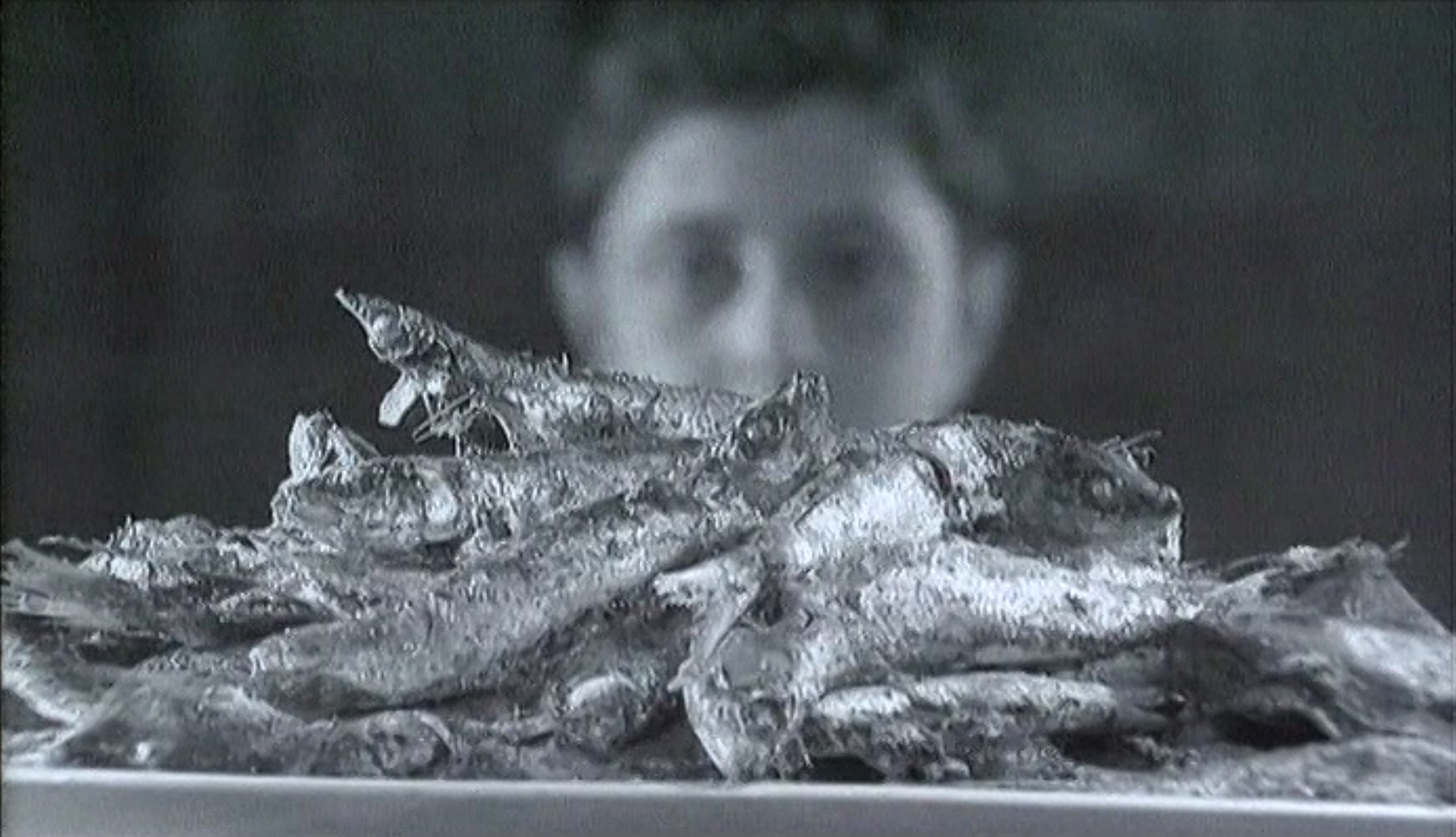
A Plate of Sardines (1997)

March 05, 2025 in Short, Documentary

Drama, 17m

In the company of fellow Syrian filmmaker Mohammad Malas, ground-breaking director Omar Amiralay revisits the ruins of the destroyed Golan village of Quneytra, occupied by Israel and then abandoned following the 1973 war. Shots of Quneytra – symbolically ransacked by the Israeli army – provides a haunting backdrop to this exploration of memory, place and politics. The director’s accomplished blending of reenactments, interviews and landscape imagery makes A Plate of Sardines an integral and striking contribution to Arab cinema.

Director: Omar Amiralay


This month, the films of the Palestine Film Platform have been guest curated by Batool Batool Elhennawy of the Contemporary Image Collective in Cairo. Between Syria, Lebanon, and Palestine, this film program thinks through the zionist/imperialist threat of a “regional war” and the ways the zionist occupation of Palestine led to an intersectional history of resistance in the region. The films work with themes of inaccessibility, in location of filming, or visual language, due to regimes in the three countries, and by extension their relationship to the occupation. In two overlapping types of oppression, the program attempts to think of the complexity of liberation, and the images of resistance. Ones that document, maneuver, or navigate a political catastrophe (both the distinctive and the ongoing: the nakba, the genocide, or ongoing crimes of the occupation). While the history and news from the region intersect, each geo-political site is different. As we delve into the filmmakers’ stories, perhaps we see how far the distinction is essential to a unified cause. The sentiments are shared, and the goal of liberation is one, but the complexities speak volumes.

The films engage in one on one relationships and conversations, from seemingly private, or at least specific, encounters. These conversations lead us to think of the tools of cinema as a form of observation, and a mediator of experience, one that can redefine or interplay with the experience itself. In a time where we pay tribute on a daily basis to the images of resistance from inside Gaza, the West Bank, and South Lebanon, as well as think of the power an image can hold to divert an oppressive narrative, to speak truth, to break the definition of zionist time. We additionally think, can these moments of agency and clarity in a political story come to us quietly, often unnoticed? The Syrian post-revolutionary context adds a distinct timeline and spatiality of resistance. While we listen to the filmmakers and their subjects on site, as they share a camera, we hope to engage in the potential that telling a historical story has to accumulate within the discourse of liberation.

Batool Elhennawy is an artist and cultural programmer. She studied painting at the Faculty of Fine Arts, Helwan University. She worked with the Cairo Institute for Arts and Sciences in Cairo and Alexandria, as well as doing research for art and culture institutions and projects. She participated in Spring Sessions residency (2017), The Lab Residency (2019) at Darat al Funun, Amman, Jordan, and Arriving Elsewhere (2019) in Wadi Rum, Jordan, PS: Communitism (2023) in Athens, where she developed and exhibited work, and co-curated After Hours residency (2020) at Darat al Funun. She is currently working as a programmer at Contemporary Image Collective (CIC). Her practice revolves around working with theory to find starting points for projects that might take on other forms, with a focus on text, and (moving) image.

Tags: Omar Amiralay
Comment

Film of the Week #99

February 26th - March 5th 2025
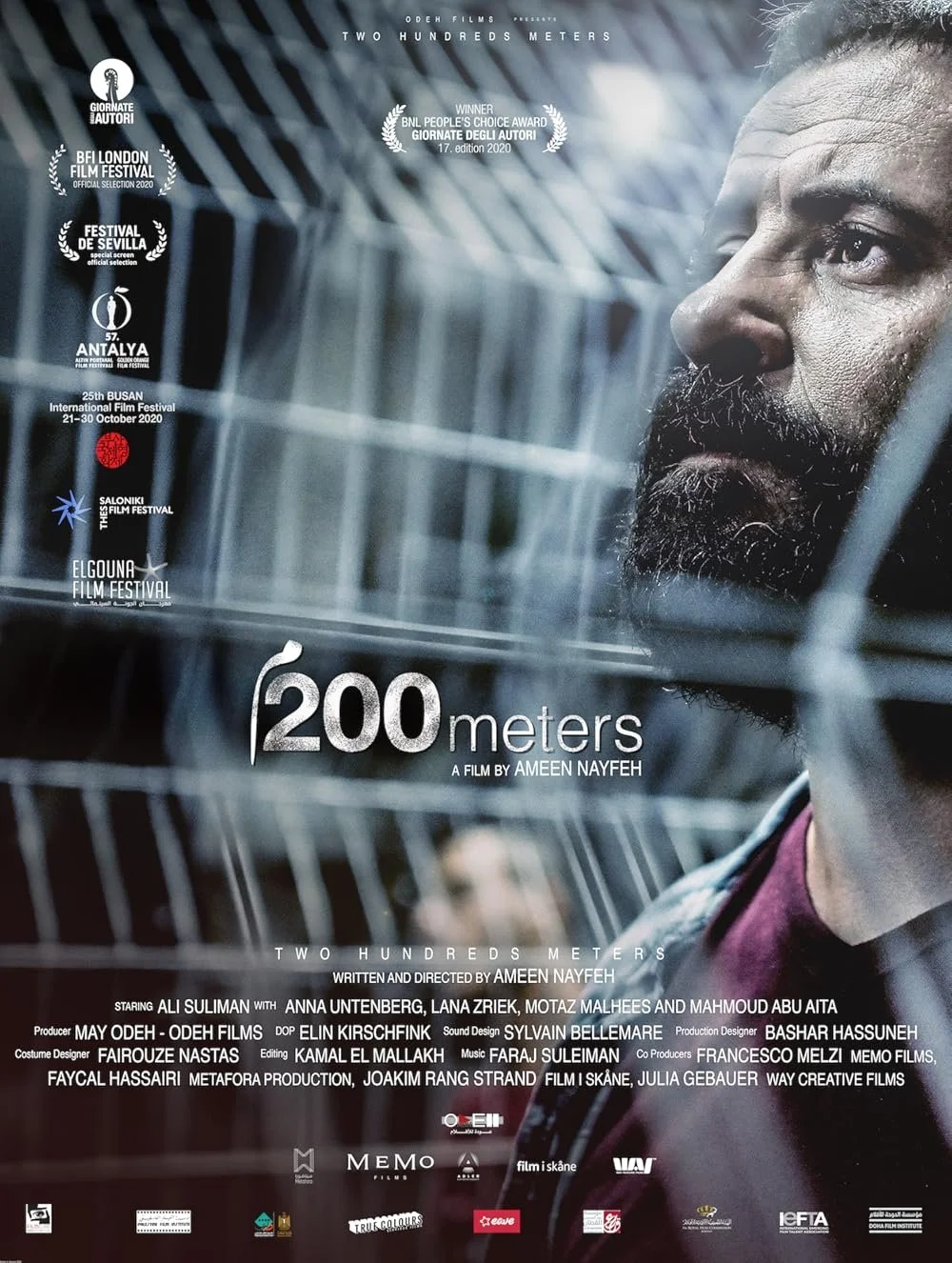
200 Meters (2020)

February 26, 2025 in Feature, Drama

Drama, 1h 36m

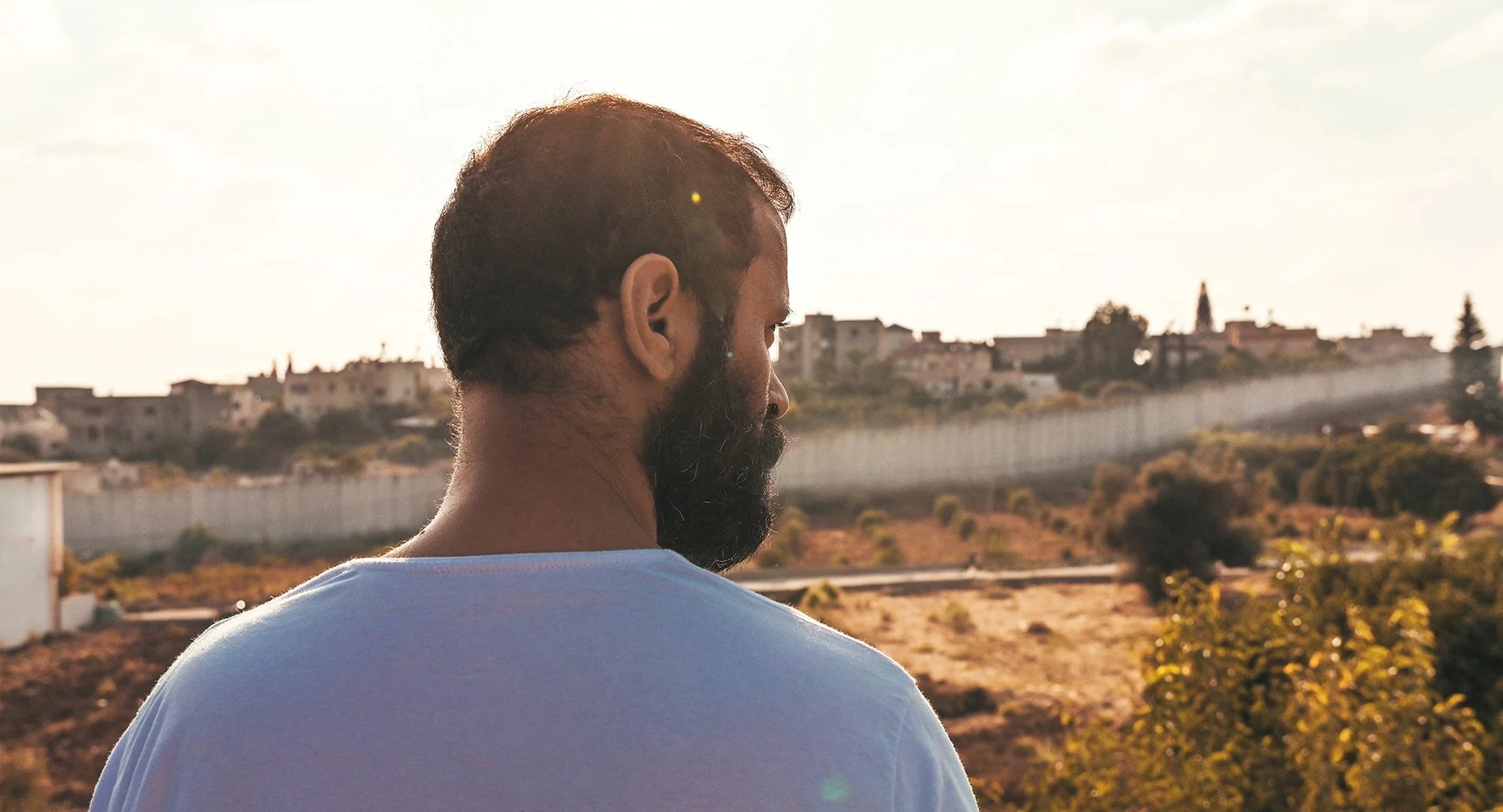
Every night, Mustafa says goodnight to his children by flashlight – signalling across the 200 metres that keep them apart, on either side of the wall.

When Mustafa’s son is taken to hospital, the mere 200 metres that separate his abode from his family’s might as well be an ocean: he must overcome Israel’s heavily policed wall to reach them. This absurd odyssey sees his fate collide with others – a young boy simply trying to find work, and an incongruous couple – a diasporic Palestinian whose German girlfriend films him playing the defiant tourist on their way to his cousin’s wedding. Whilst the wall itself visibly and increasingly fragments Palestine, it is the subtle and labyrinthine ramifications on everyday life that director Ameen Nayfeh brings into frame. His accomplished debut feature negotiates its gripping storyline much as Mustafa navigates the complexities of a life under occupation – with ingenuity, and dignity.

Writer & Director: Ameen Nayfeh

Cinematography: Elin Kirschfink

Editing: Kamal El Mallakh

Sound Design: Sylvain Bellemare

Production Design: Bashar Hassuneh

Original Music: Faraj Suliman

Costume Design: Fairouze Nastas

Producer: May Odeh

Starring: Ali Suliman, Lana Zreik, Samia Bakri, Tawfeeq Nayfeh, Maryam Nayfeh, Salma Nayfeh, Ghassan Abbas, Nabil Al Raai, Ghassan Ashqar, Mahmoud Abu Eita, Anna Unterberger, Motaz Malhees, Amer Khalil, Dia Harb

Tags: Ameen Nayfeh
Comment

Film of the Week #98

February 19th - 26th 2025
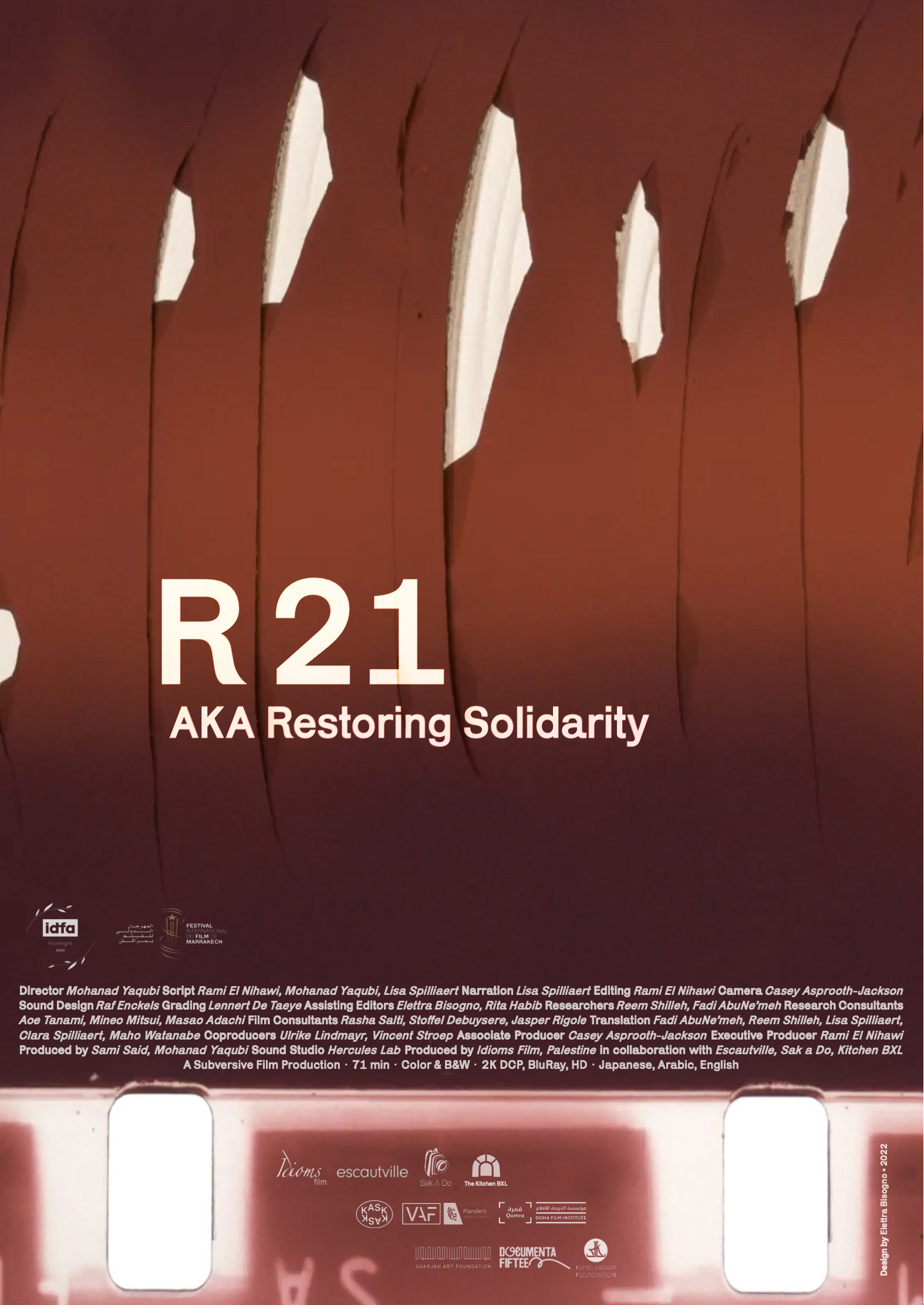
R21 AKA Restoring Solidarity (2022)

February 19, 2025 in Feature, Documentary

Documentary, 1h 11m

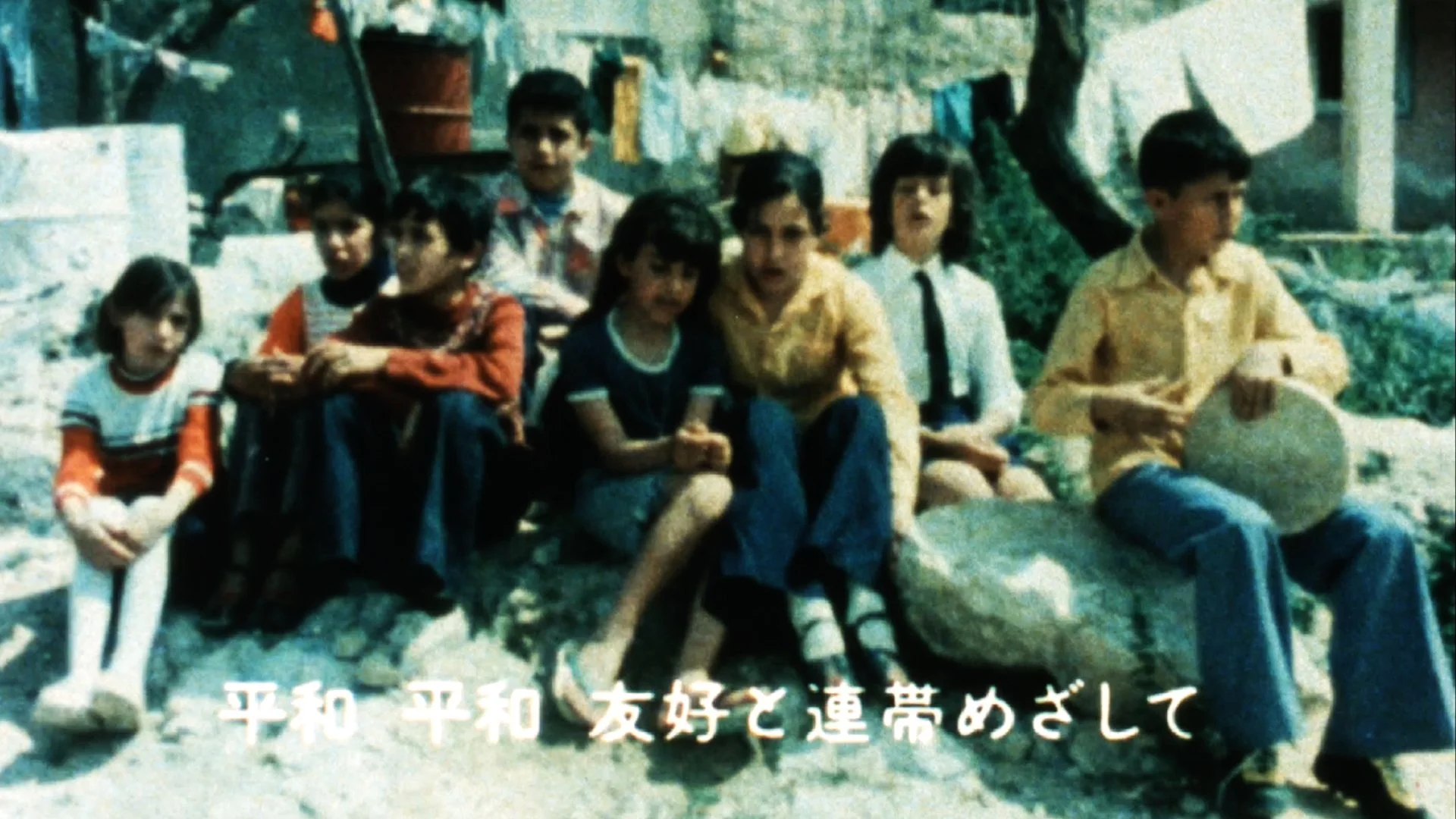
R21 comes as an addition to and a reflection on a collection of 20 16mm films, safeguarded in Tokyo by the Japanese solidarity movement with Palestine. It’s an undelivered solidarity letter written by a Japanese activist that was lost on its way to a Palestinian filmmaker. Fragments of the letter are found throughout the collection and compiled into an imagined structure that reveals itself during the film.

R21 AKA Restoring Solidarity acts as a catalog, the film as a time machine, the film as an archive. The themes that Reel no. 21 deals with, reveal themselves in the form of a montage essay. At the same time, the act of restoring these films brings out motives, aspirations, and the disappearance of a generation and its struggles, not only in Japan, but around the world.

Director: Mohanad Yaqubi

Writers: Rami El Nihawi, Mohanad Yaqubi, Lisa Spilliaert

Narration: Lisa Spilliaert

Editing: Rami Nihawi

Camera: Casey Asprooth-Jackson

Sound Design: Raf Enckels

Grading: Lennert De Taeye

Produced by: Sami Said, Mohanad Yaqubi

Researchers: Reem Shilleh, Fadi AbuNe’meh

Tags: Mohanad Yaqubi
Comment

Film of the Week #97

February 12th - 19th 2025
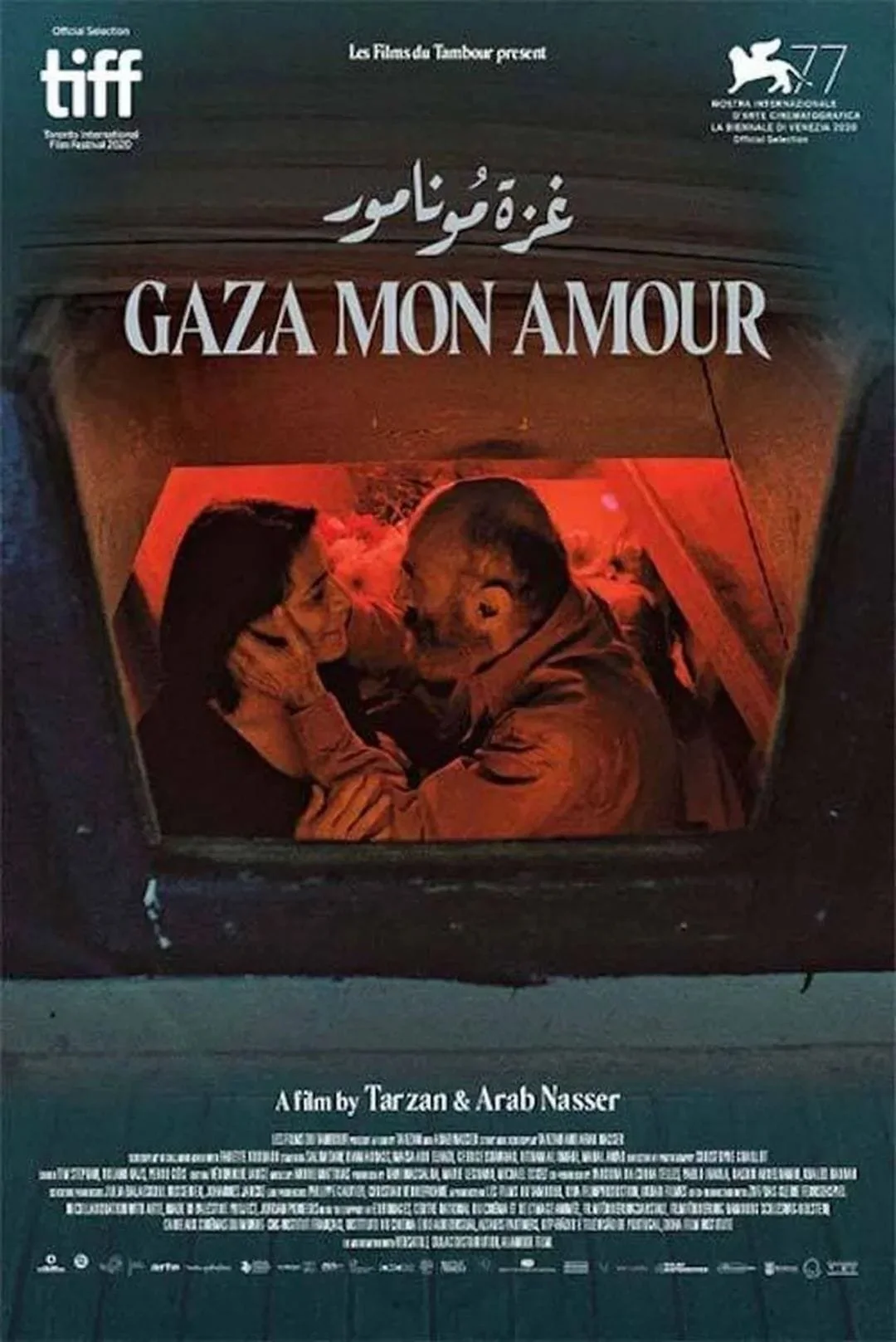
Gaza Mon Amour (2020)

February 12, 2025 in Feature, Drama

Drama, 1h 27m

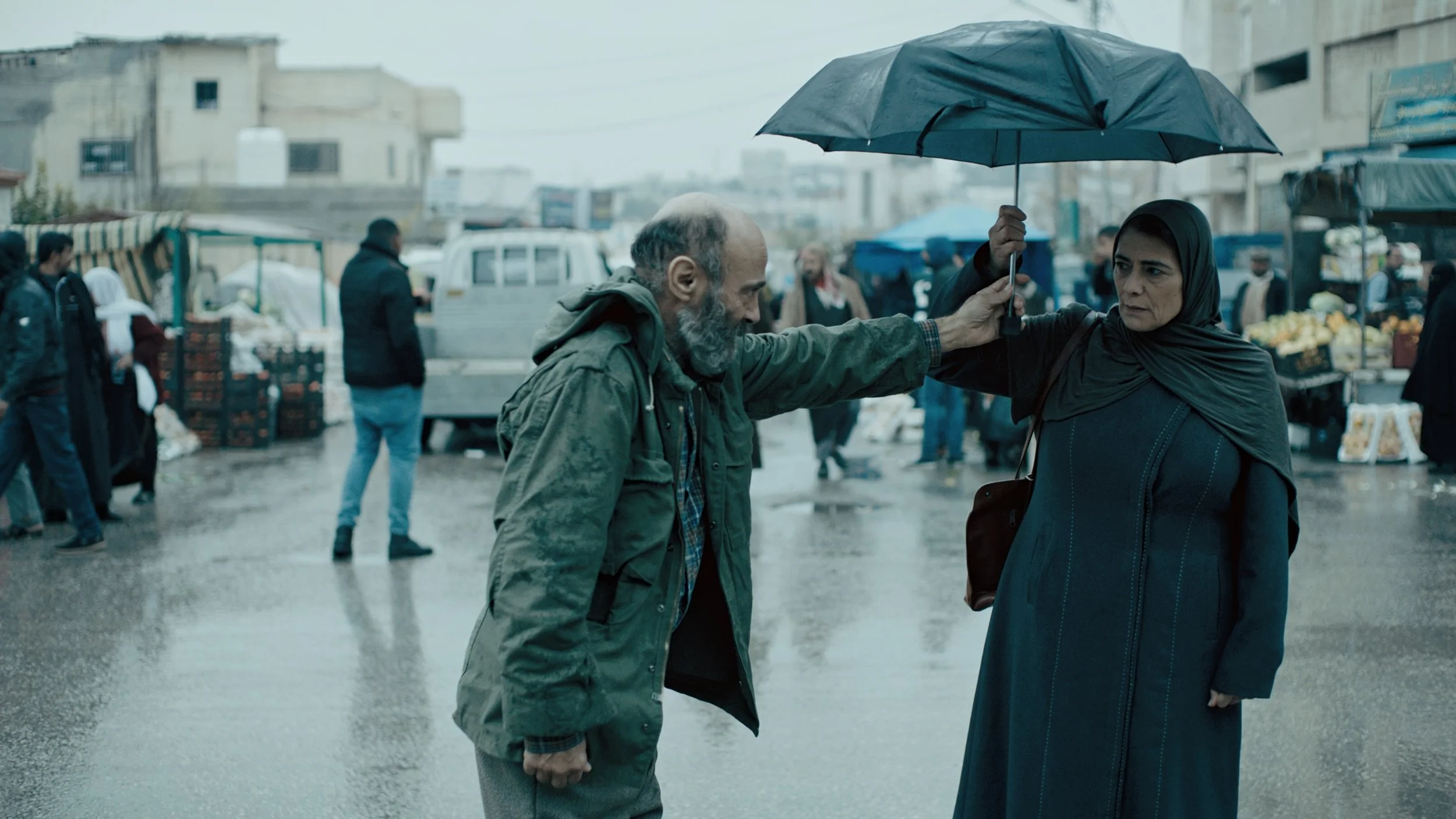
Gaza, today. Sixty-year-old fisherman Issa is secretly in love with Siham, a woman who works at the market with her daughter Leila. When he discovers an ancient phallic statue of Apollo in his fishing nets, Issa hides it, not knowing what to do with this mysterious and potent treasure. Yet deep inside, he feels that this discovery will change his life forever. Strangely, his confidence starts to grow and eventually he decides to approach Siham.

Director: Arab & Tarzan Nasser

Writers: Fadette Drouard, Arab & Tarzan Nasser

Cinematography: Christophe Graillot

Editing: Véronique Lange

Music: Andre Matthias

Costume Design: Hamada Atallah

Mixing: Thierry Sabatier

Cast: Salim Daw, Hiam Abbass, Maisa Abd Elhadi, George Iskandar, Manal Awad, Hitham Omari, Majd Eid

Produced by: Rashid Abdelhamid, Pandora da Cunha Telles, Marie Legrand, Rani Massalha

Tags: Arab Nasser, Tarzan Nasser
Comment

Film of the Week #96

February 5th - 12th 2025
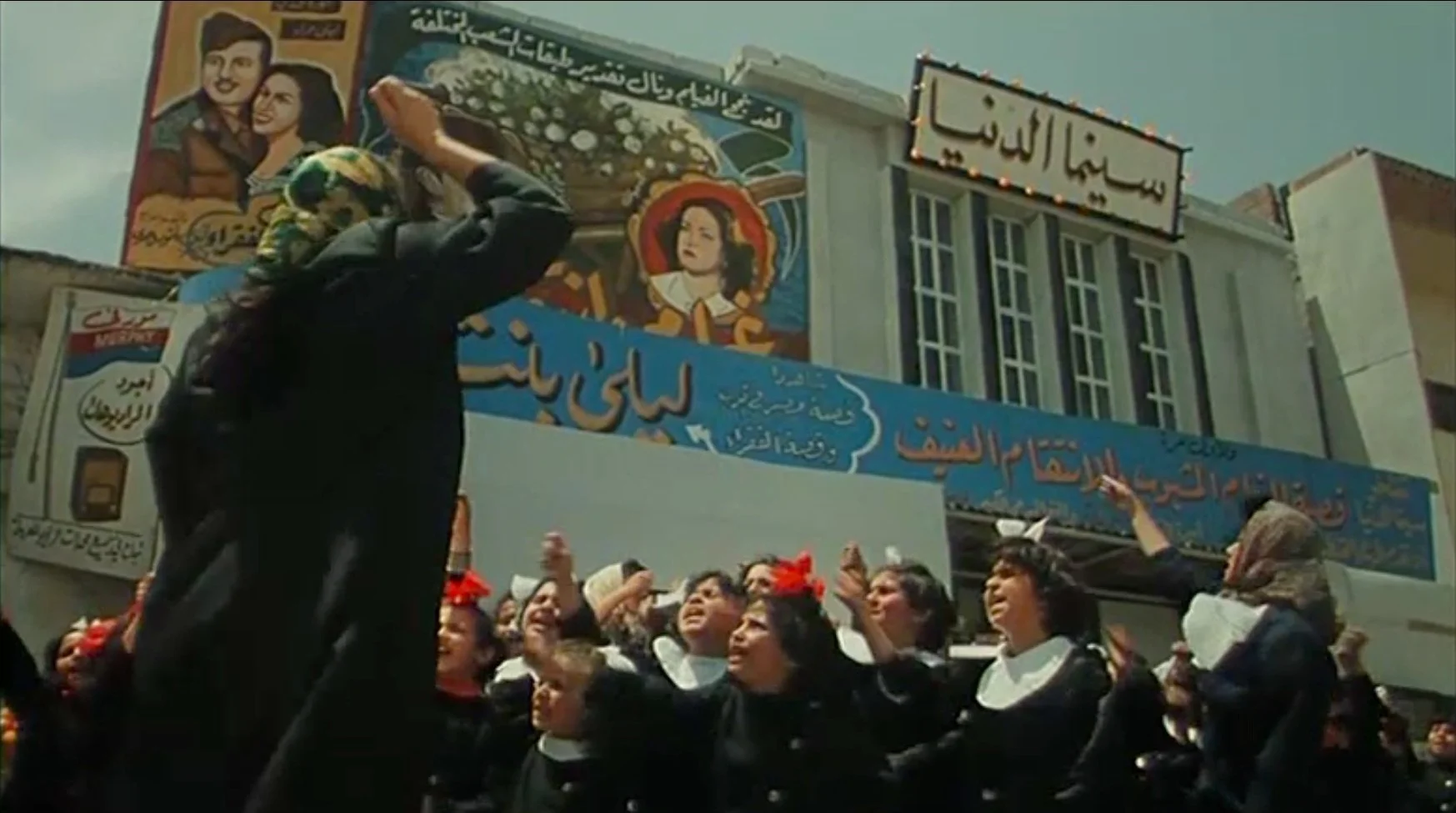
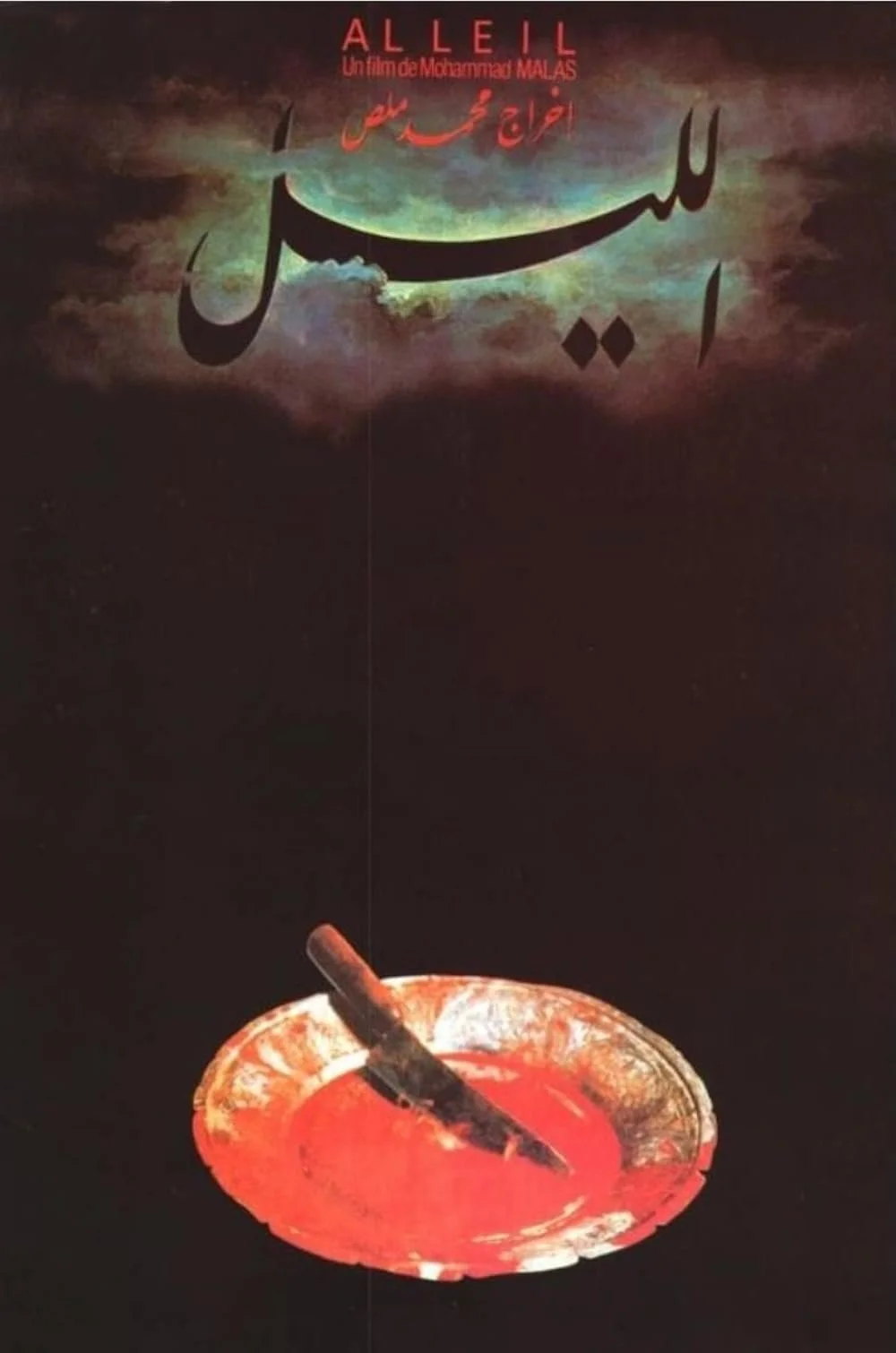
The Night (1992)

February 05, 2025 in Feature, Drama

Drama, 1h 56m

In the destroyed city of Quneitra rests the grave of a resistance fighter for Palestine. His son, director Mohammad Malas, endeavors to restore the fighter’s history, tracing echoes of his mother’s memory. Told through the dreams, fears and hopes of its citizens, Malas chronicles his hometown of Quneitra in the Golan Heights, from the start of the Great Revolt of 1936 through the year of the city’s destruction. Through the film, the director seeks to exorcise feelings of shame and humiliation that long accompanied the image of his father and also his hometown, occupied by Israeli forces in 1967.

Director: Mohammad Malas

Script: Mohammad Malas & Ossama Mohamad

Director of Photography: Yussef Ben Yussef

Editor: Qais Al-Zubaidi

Musical Arrangement: Vahe Demergian

Sound: Sophie Bastein

Mixing: Thierry Sabatier

Cast: Sabah Jazairy, Fares Helou, Rafik Sbei’I, Riad Charhrour, Omar Malas, Maher Sleibi, Hazar Awad, Raja Kotrach, Abdulilah Dawleh

Production: National Film Organization, Damascus

Distribution: mec film - Irit Neidhardt

Comment

Film of the Week #95

January 29th - February 5th 2025
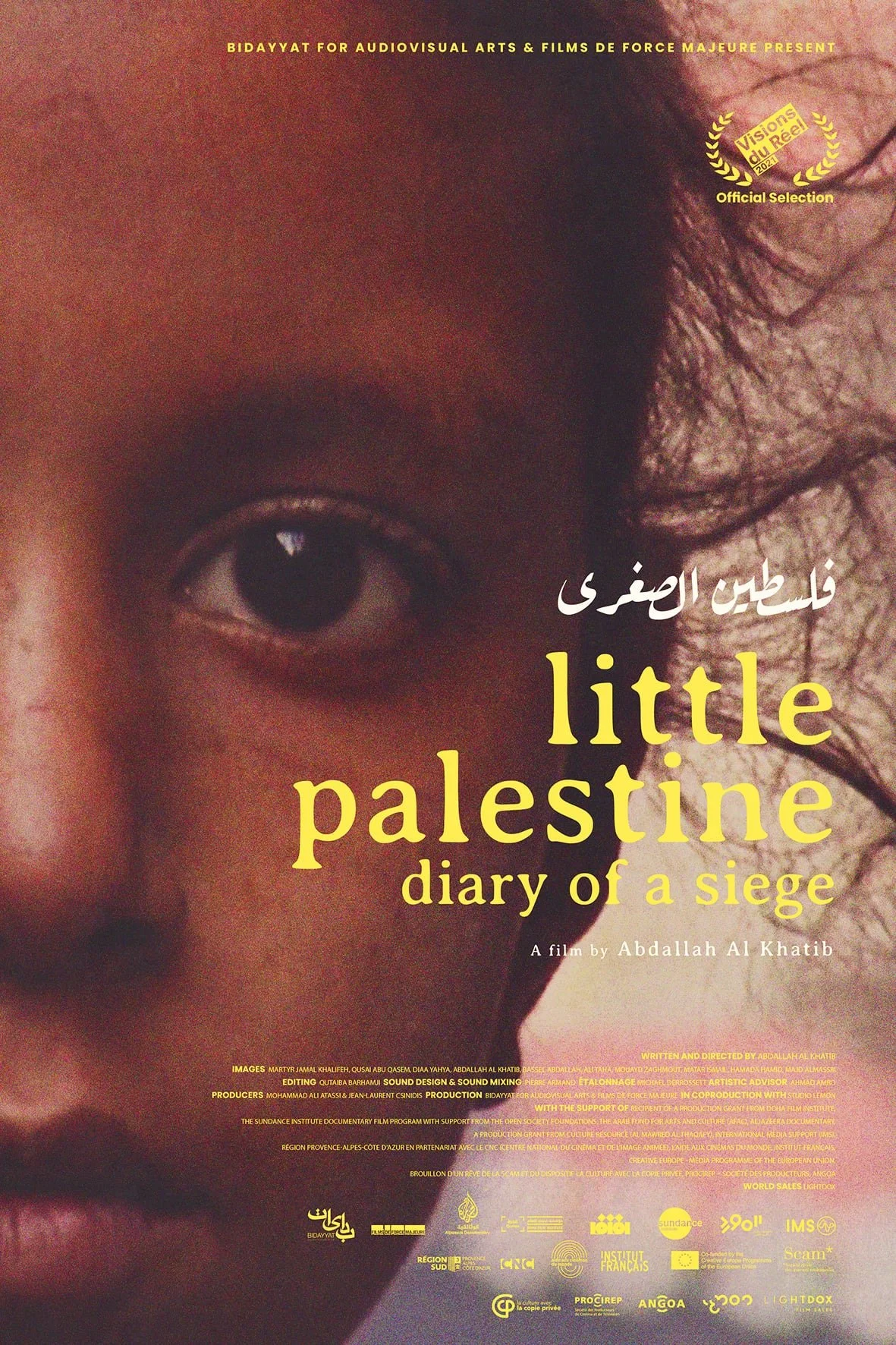
Little Palestine: Diary of a Siege (2021)

January 29, 2025 in Feature, Documentary

Documentary, 1h 29m

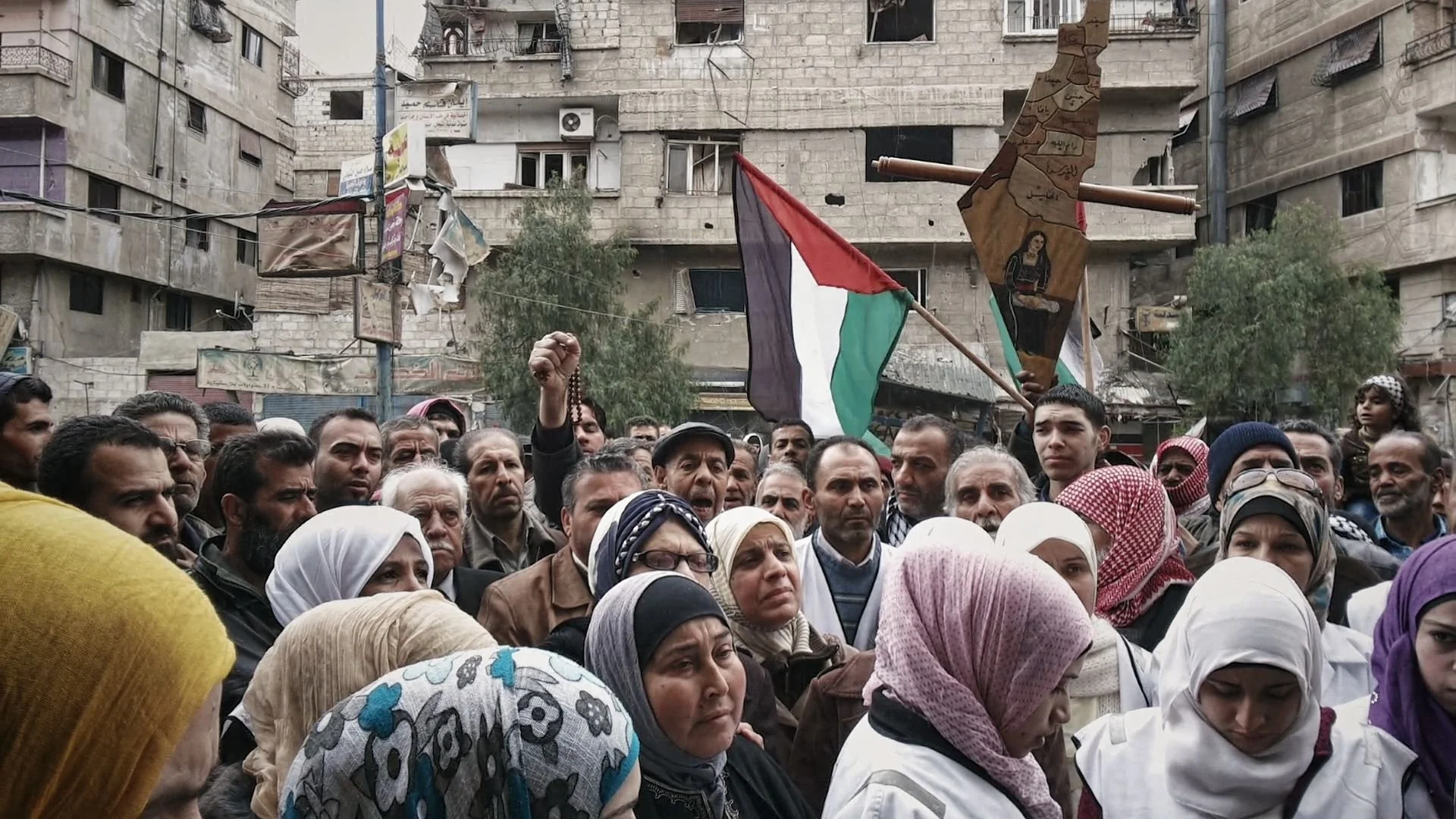
Yarmouk Camp in Damascus, Syria, was once home to the largest concentration of Palestinian refugees. Abdallah Al-Khatib's record of its brutal siege is vital viewing.

In 2013, the Assad regime blocked all routes in and out of Yarmouk. Under siege, its inhabitants were deprived of food, water and contact with the outside world. Al-Khatibs' camera takes us through the districts' streets, meeting elders, participating in lively protests. Children wise beyond their years tell us where they find meaning; their dreams all involve food. As food shortages reach alarming levels, the regime’s bombing campaign also intensifies. Al-Khatib's poetic reflections, published at the time as //40 Rules of Siege//, underscores escalating disaster:

//When the future sticks out its tongue sarcastically

When the most obvious answers to simple questions

Are a rare as a lump of sugar//.

An act of witness and solidarity, Al-Khatib's diary is testament to the dignity of the human spirit.

Writer & Director: Abdallah Al-Khatib

Editing: Qutaiba Barhamji

Cinematography: Basel Abdullah, Abdallah Al-Khatib, Majd M.A. Almassri, Yahya Diaa, Mohamad R.M. Hamid, Qusai Abu Qasem, Mouayad Zaghmout

Artistic Advisor: Ahmad Amro

Producers: Mohammad Ali Atassi & Jean-Laurent Csinidis

Production Companies: Bidayyat for Audiovisual Arts & Films de Force Majeure

Tags: Abdallah Al-Khatib
Comment
Prev / Next