
The Sole Survivor
“What the Sand Remembers”
Director: Mahmoud Abu Ghalwa
Producer: Yousef Nateel
Countries of Production: Palestine, France, Belgium
Runtime: 26 mins per episode
Budget: $100,000
Secured budget: $5,000
Production Company: HardySkills
We are looking for: Funds, partners, sales, and festival support to finish this film and develop four more films on Gaza’s sole survivors.
Synopsis:
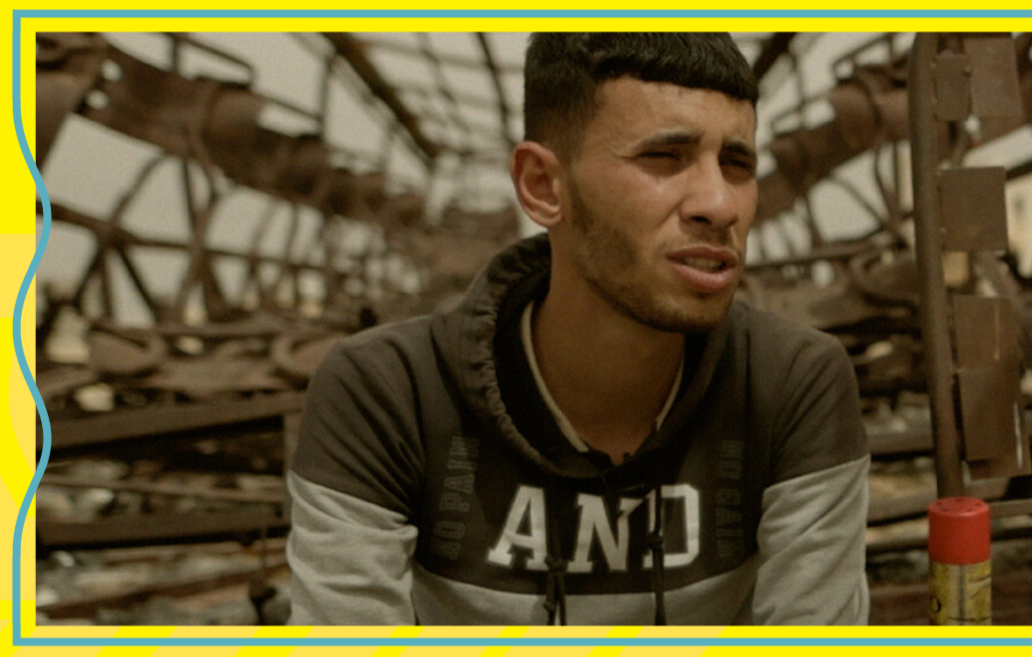
In Khan Younis, 2024 - Abdulrahman Abu Hadda lives between two burial places: a cemetery holding some members of his family, and a vast mound of sand where the rest are believed to remain.
After an Israeli strike destroyed his family home, Abdulrahman became the sole survivor. His parents, grandmother, and five siblings were killed. Some bodies were recovered and buried; others disappeared beneath the ruins, later covered by bulldozed earth and sand. With no grave to visit and no certainty to hold onto, Abdulrahman returns again and again to the site, searching for signs, fragments, and memories.
What the Sand Remembers follows his life after survival. Moving through deserted streets, damaged neighborhoods, and the landscape of loss, he carries the memory of an entire family alone. His daily routines become acts of remembrance: visiting graves, standing before the sand mound, recalling voices, and trying to rebuild a life in a place where the past remains physically buried beneath him.
The film observes Abdulrahman without turning his survival into triumph. His loneliness, silence, and repetition reveal the burden of being the only witness left. Through intimate testimony, restrained images, and the presence of the landscape itself, the film asks what remains when a family is erased but one person survives to remember them.
His story is not presented as an exception, but as one intimate record of a wider devastation, where survival can mean carrying the names, gestures, and unfinished lives of those who no longer return home.
The sand becomes more than a location. It is a grave, an archive, and a silent witness. As Abdulrahman searches for a way to live with what cannot be recovered, the film becomes a meditation on memory, absence, and the unbearable weight of survival.
Director
Mahmoud Abu Ghalwa is a filmmaker and creative director with over 15 years of professional experience in documentary, fiction, animation, and music video production. He has collaborated with international media organizations, including Al Jazeera, and previously served as Production Manager at UNRWA TV.
He currently works as Head of Video Production at Misbar, a platform dedicated to factchecking and combating misinformation, as well as Doha+, where he oversees the development of analytical and explanatory visual content aligned with the highest editorial and professional standards.
Mahmoud directed the short film Paper Boat, which screened in 12 countries worldwide, and wrote the screenplay for Nuseirat: The Hostage Massacre (Al Jazeera 360’s most watched film in 2025), which received the Best War Film Screenplay Award at the Five Continents International Film Festival. He also works as an independent filmmaker and producer, developing cinematic projects for international audiences.
Producer
Yousef Abdul Rahim Nateel is a Palestinian filmmaker, director, and producer born in 1988. He holds a diploma in Television Arts from Palestine Technical College in Gaza. Since 2008, he has been working in documentary filmmaking, developing a practice rooted in observing everyday life and visual memory in Gaza. His work explores themes of identity, absence, and the relationship between image and history.
From 2011 , he managed Skills Media Production, where he developed and produced documentary and audiovisual projects in collaboration with local and international organizations. He later worked as a Communication Assistant with UNFPA in Gaza (2018–2020).
His films have been screened in various cultural and film platforms and have received recognition in film initiatives. Nateel has also collaborated with academic institutions in the United Kingdom, including Sheffield Hallam University, within research-based film projects.
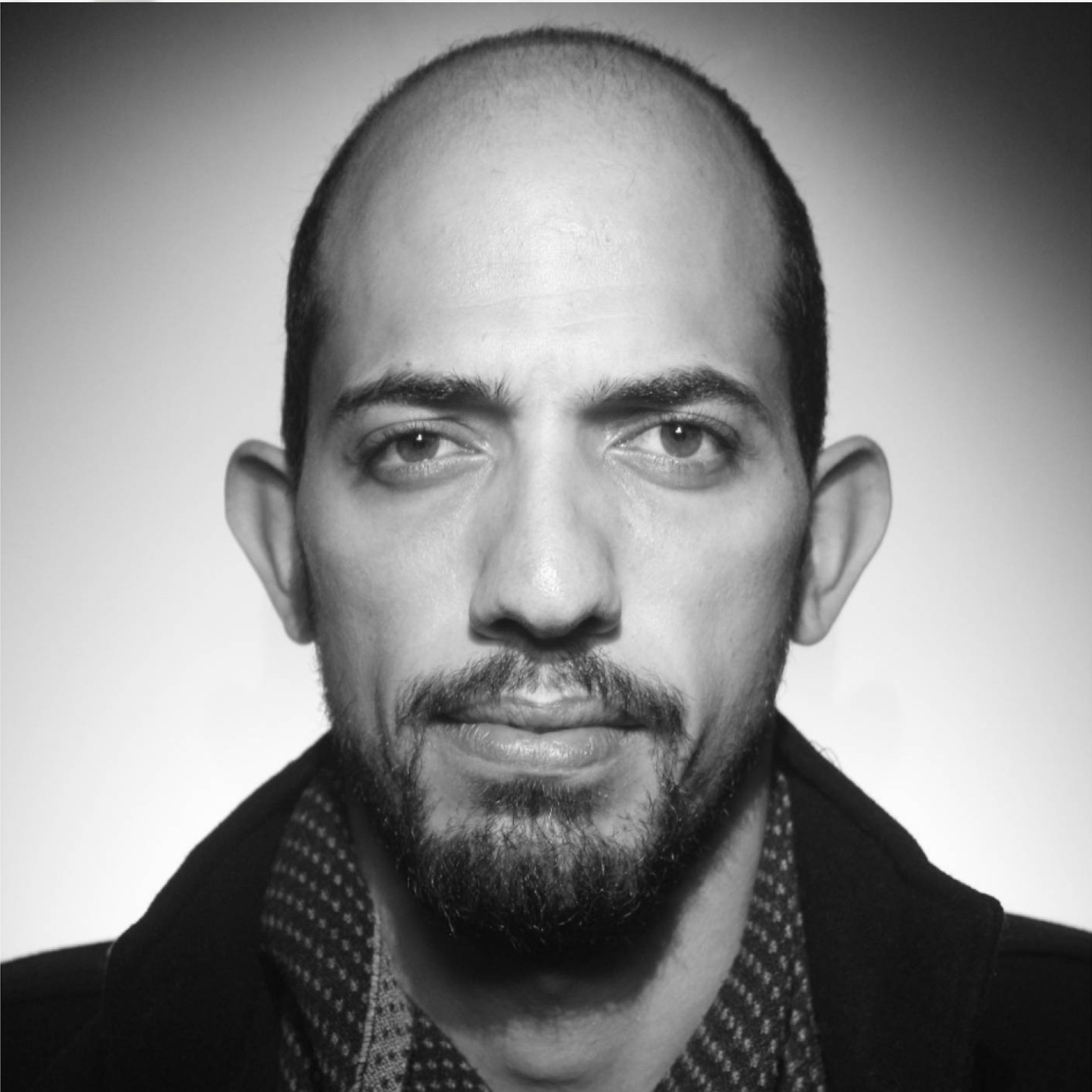
Director Mahmoud Abu Ghalwa
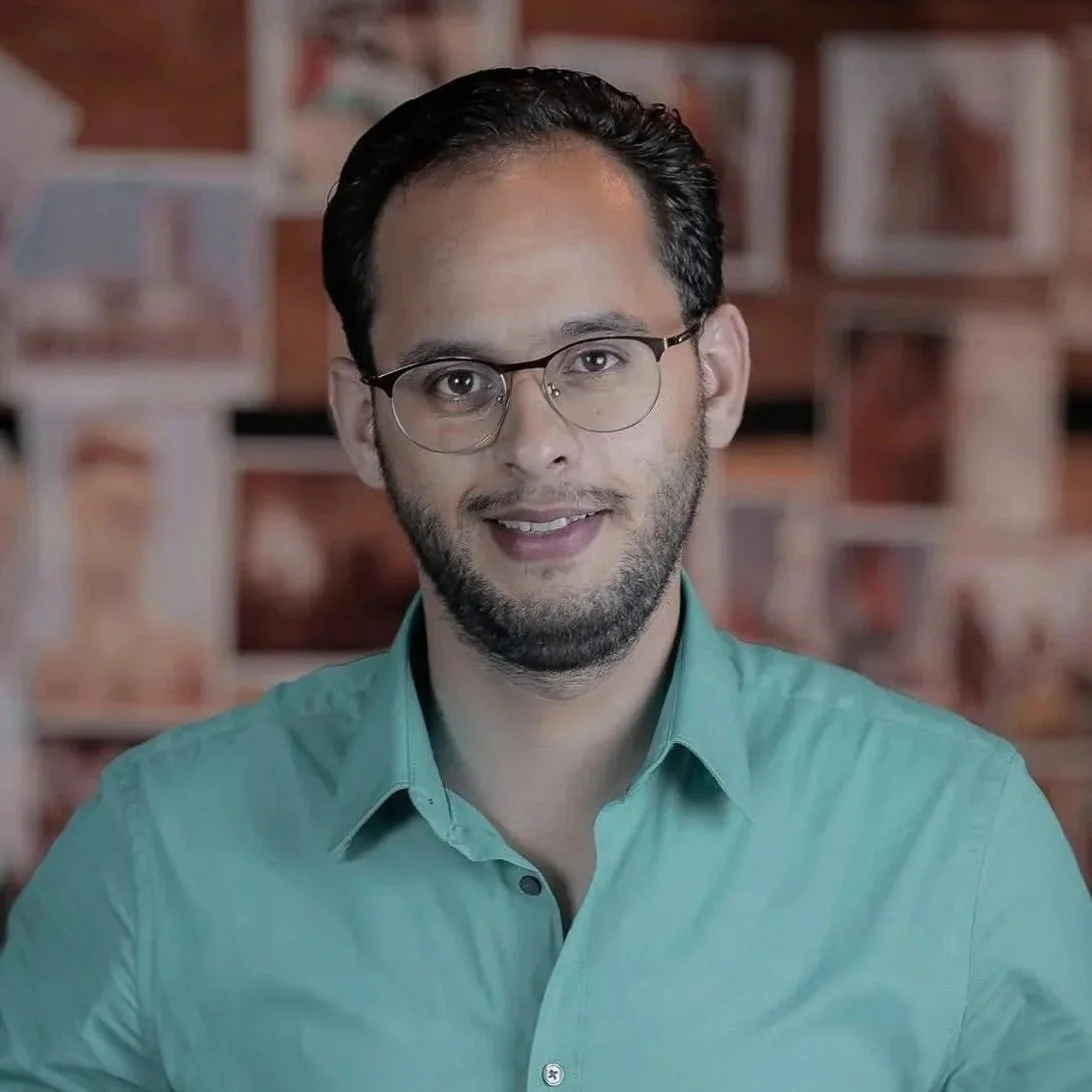
Producer Yousef Abdul Rahim Nateel